

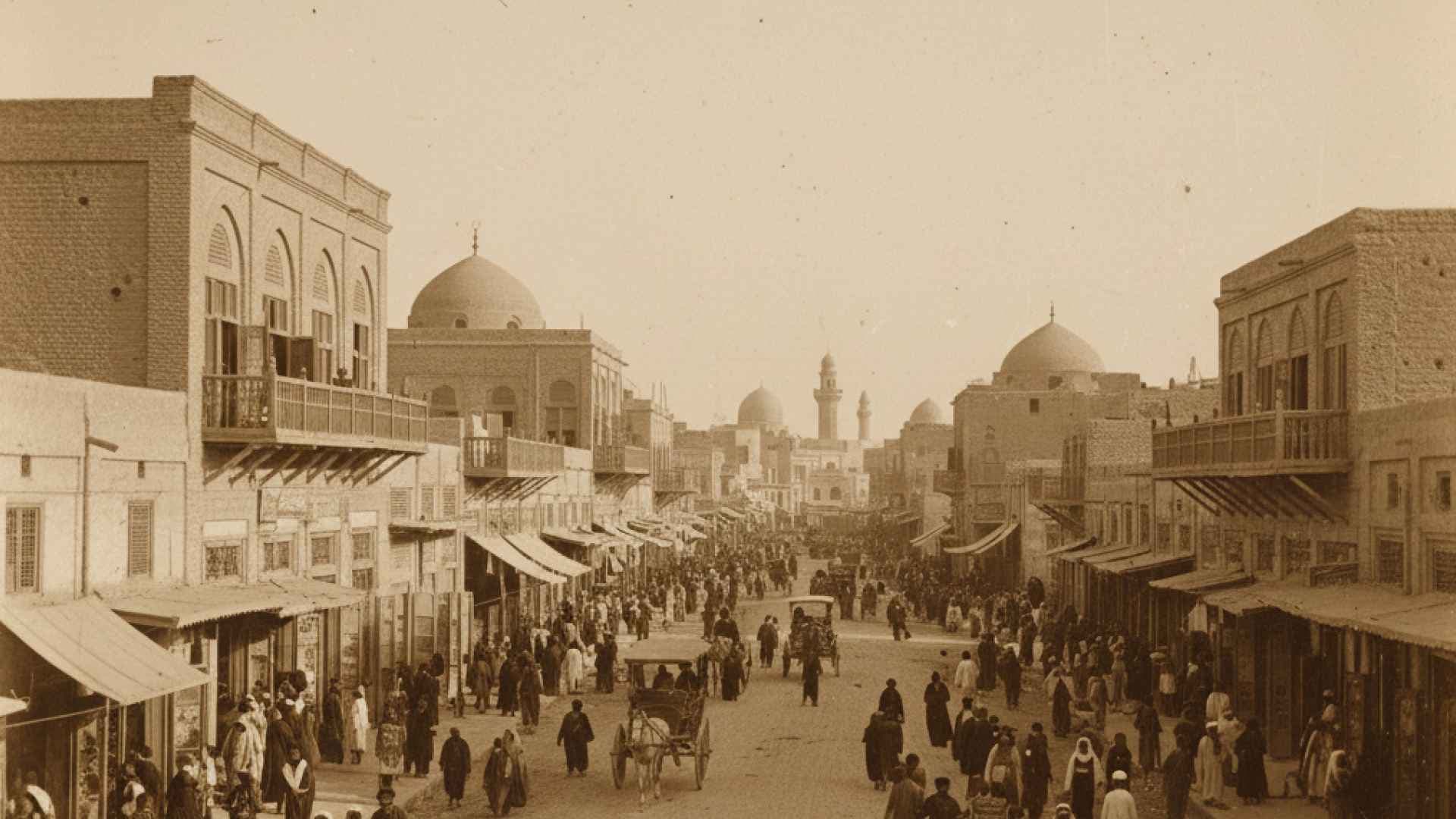

Karbala in central Iraq is a city where history, culture, and spirituality meet. Millions come to its famous shrines, yet the town holds quiet corners and hidden landmarks that many visitors miss. Ancient mosques, medieval support, bustling markets, and vibrant neighborhoods tell stories of faith, resilience, and daily life across centuries. Travelers planning Iraq tour itineraries can explore these lesser-known sites to see a fuller picture of the city. A ziyarat here is more than a spiritual journey, it is a walk through living history, local traditions, and moments that connect the past with the present.
Discovering Karbala’s Spiritual Heart
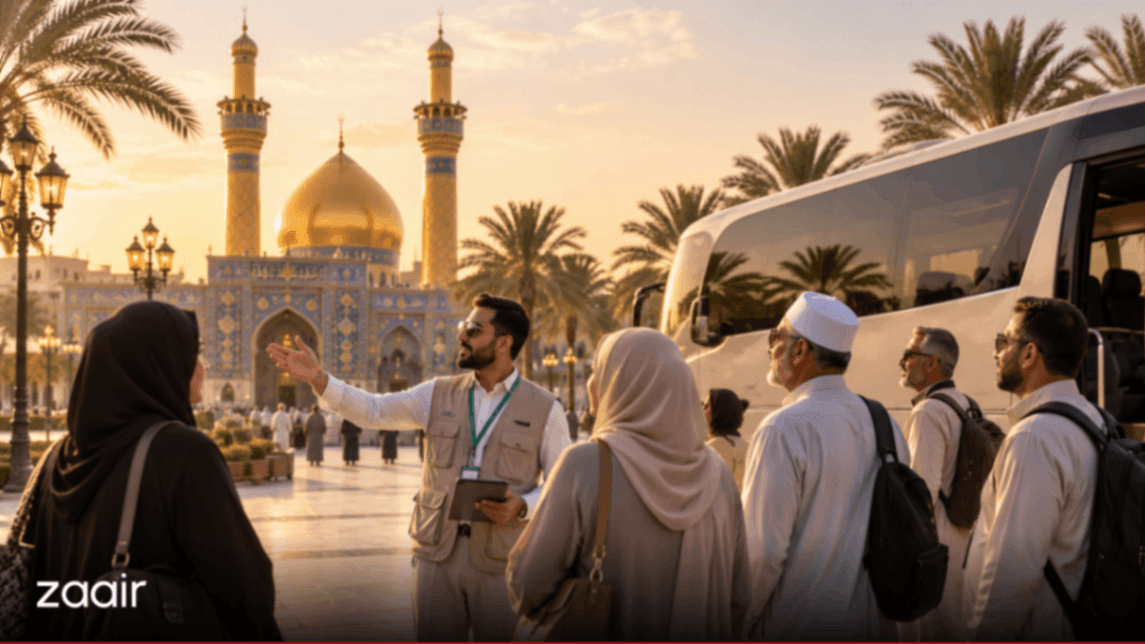
Karbala is known for the shrines of Imam Hussain and Abbas ibn Ali. Pilgrims from around the world come to visit these sites, which are all the main focus of Iraq ziyarat trips. The golden domes, intricate Islamic architecture, and quiet courtyards create a deeply spiritual atmosphere. Knowing the history behind these shrines connects visitors with centuries of devotion. Beyond the main shrines, the surrounding areas have smaller landmarks worth exploring. A good itinerary can mix shrines with historic sites to show the full heritage of the city.
Hidden Gems Worth Exploring
The hidden destinations reflect Karbala’s diverse religious, cultural, and historical landscape, enriching Iraq tour itineraries beyond the primary pilgrimage sites.
1. Al Kifl Mosque and Historic Tombs
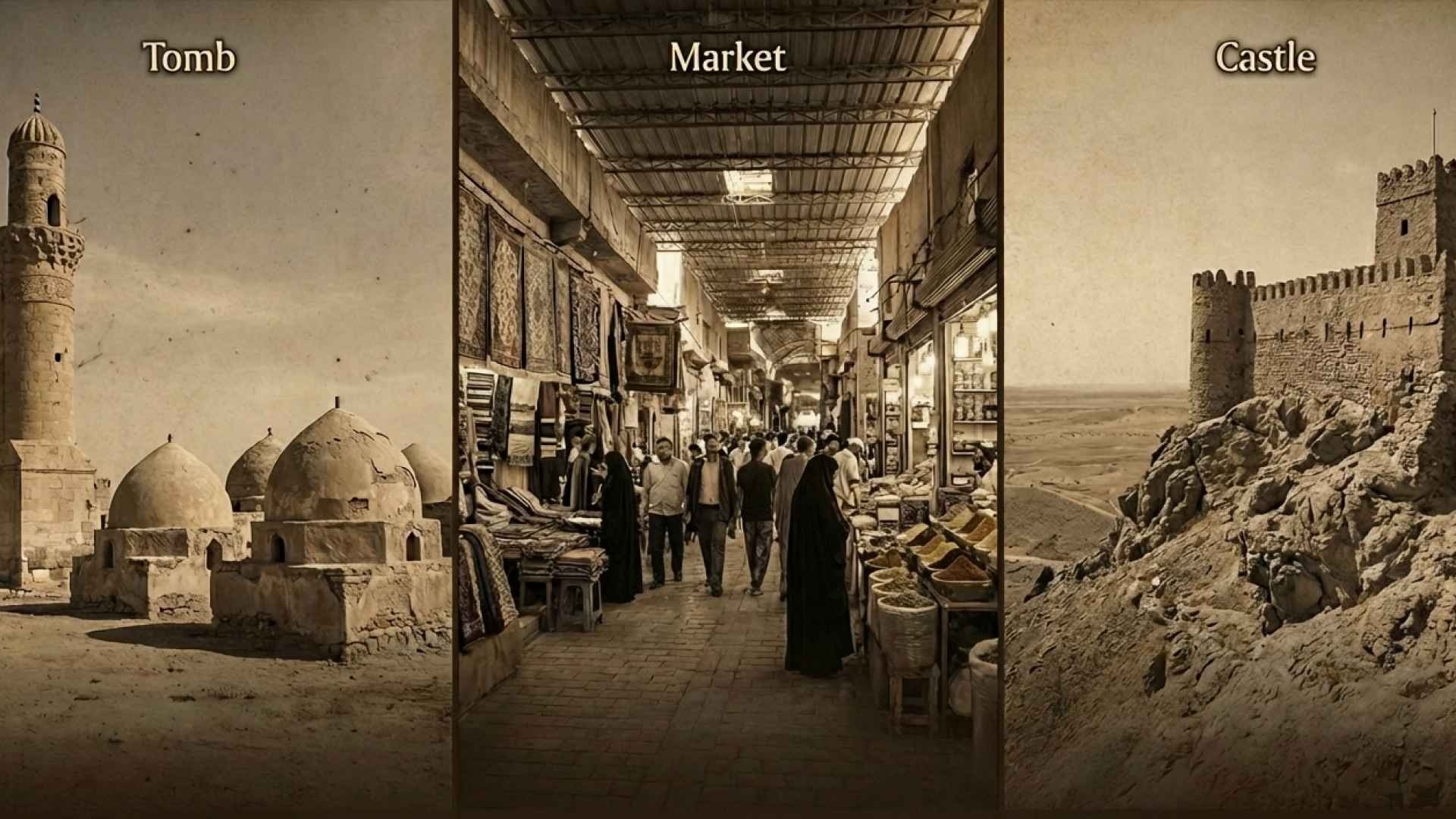
Al Kifl Mosque is a short drive from Karbala and is often missed on Iraq tour itineraries. It is said to hold the tomb of the Prophet Dhul-Kifl. The mosque mixes Islamic and traditional Iraqi designs. Visiting it gives insight into local religious practices. It also offers a quiet, reflective space away from the busy central shrines.
2. Karbala Old Market
The old market is a great place to see local life. It has existed for centuries and sells crafts, spices, textiles, and souvenirs. Walking its narrow streets shows the city’s history of trade. The market in Iraq tour itineraries gives travelers a sense of everyday Karbala. Visitors can meet locals and experience the culture firsthand.
3. Historical Castles and Fortifications
In Karbala there are medieval castles and fortifications. They demonstrate the strategic position and the endurance of the city in the course of centuries-old war. Visiting these sites emphasizes historical sites in Iraq other than religious sites. The architecture narrates the past of defense and city planning.
Must-Visit Historic Landmarks
These landmarks embody Karbala’s spiritual depth, historical richness, and evolving culture, making each visit both enlightening and memorable.
1. Al Abbas Shrine
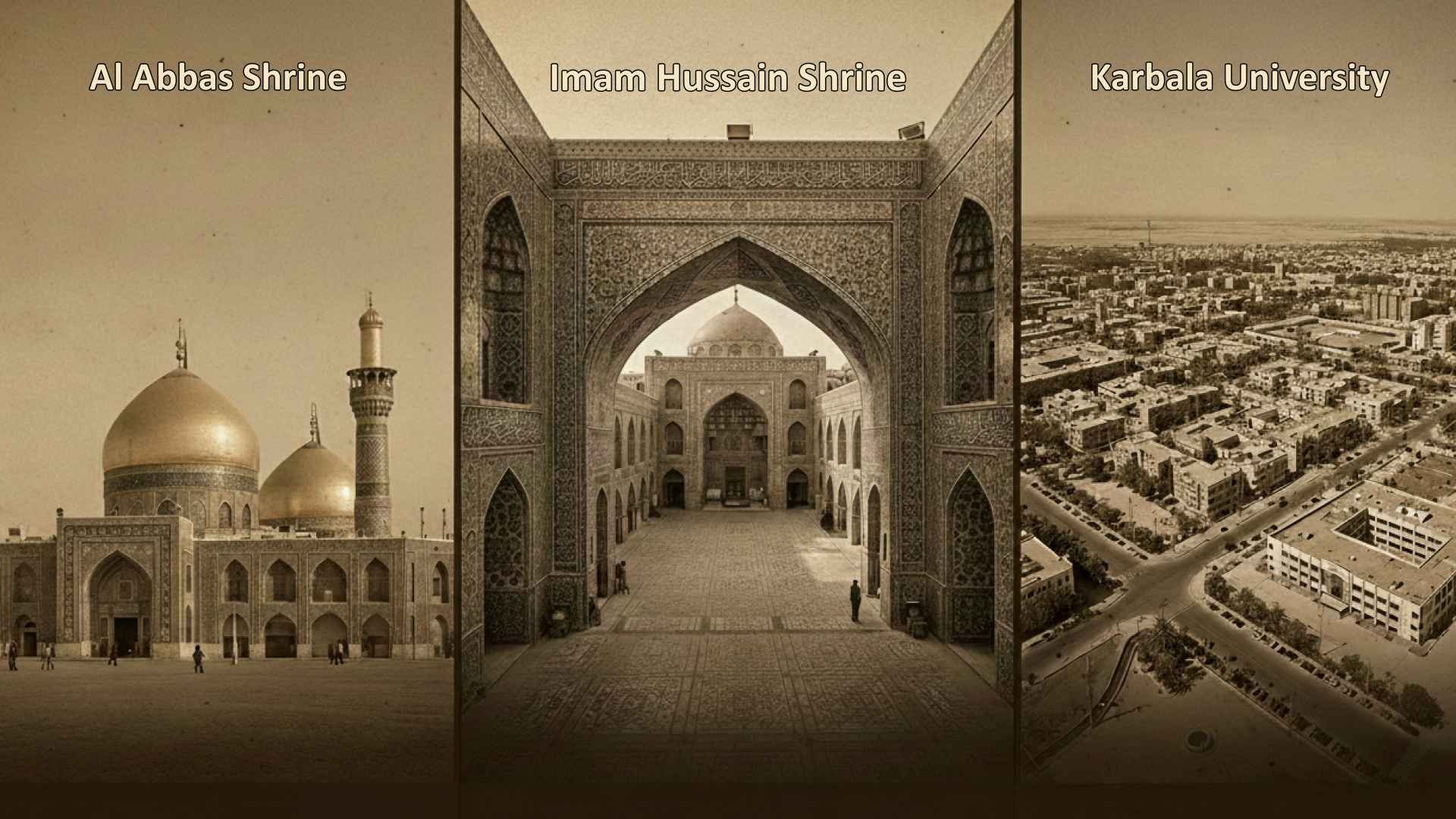
Al Abbas Shrine is a major pilgrimage site and a historical landmark. Its golden dome, detailed tilework, and large courtyard show Islamic craftsmanship. Travelers following the Iraq ziyarat routes often visit the shrine. Taking time to notice the architecture and history makes the visit more meaningful.
2. The Imam Hussain Shrine
The Imam Hussain Shrine is central to Karbala’s identity. It represents devotion and resistance. The shrine has been preserved and renovated over the centuries. Different parts reflect Islamic art from various eras. Travelers planning Iraq tour itineraries find it both a spiritual center and a historical site.
3. Karbala University and Surrounding Areas
Karbala University and nearby neighborhoods show a mix of Ottoman and modern Iraqi styles. These areas are often skipped by regular tours. Visiting them reveals the city’s cultural growth while keeping its history alive. Travelers can see how education and architecture reflect the changing city.
Read more about Iraq in our related blog: First-Time Travelling to Iraq? Must-Do Experiences in Iraq's Capital
Exploring Karbala Through Iraq Tour Itineraries
A good Iraq tour itineraries plan balances spiritual visits and historical exploration. Mixing shrines with hidden gems gives a rich experience. A sample itinerary could be:
Day 1: Visit the Imam Hussain and Al Abbas Shrines
Day 2: Go to Al Kifl Mosque and the nearby tombs
Day 3: Explore the Old Market and historical fortifications
Day 4: Walk around Karbala University and local landmarks
Day 5: Visit smaller mosques and spiritual sites outside the main shrines
This plan helps travelers see both the spiritual and historical sides of Karbala.
Experiencing Local Culture
Karbala’s culture is tied to its history. Traditional food, local rituals, and community events are part of daily life. Trying dishes like masgouf or lamb kebabs, visiting tea houses, and joining cultural events add depth to Iraq tour itineraries. These experiences give travelers a better understanding of local life beyond the landmarks.
Preserving Karbala’s Historical Heritage
Many of Iraq's historical sites in Karbala are under conservation. Travelers should respect local customs and avoid damage. Supporting local preservation helps keep the city’s history intact. Responsible tourism ensures that Iraq ziyarat and historical visits remain meaningful for future visitors.
Conclusion
Karbala combines history, culture, and spirituality. Its shrines attract pilgrims, but hidden gems, historic landmarks, and local life offer a full experience. Thoughtful Iraq tour itineraries that mix shrines with cultural sites make a visit more meaningful. Visiting popular and little-known places allows the tourist to know what is really behind Karbala. In addition to the popular shrines, visiting old markets, quiet mosques, and ancient fortifications can help one see the great heritage of the city. Interaction with the local traditions, their food, and sightseeing of historical districts make visitors understand Karbala more personally. This spiritual contemplation, cultural understanding, and historical discovery make this journey one that will be memorable, informative and one that will be close to the heart of the city. If you want to visit hidden gems and historic landmarks in Karbala, Zaair makes your trip easy and stress-free by managing flights, visas, hotels, Iraq tour itineraries, and guides.
FAQs
What are the must-visit sites in Karbala for first-time travelers?
First-time visitors should see the Imam Hussain Shrine, Al Abbas Shrine, Al Kifl Mosque, and the Old Market for a mix of history and spirituality.
How can I include hidden gems in my Iraq tour itineraries?
Add historic fortifications, local markets, and neighborhood walks alongside shrine visits to see lesser-known sites.
Are there any important Iraqi historical sites near Karbala?
Yes, sites like Al Kifl Mosque, medieval fortifications, and small shrines show the city’s historical and architectural heritage.
What is Iraq ziyarat and how is it experienced in Karbala?
Iraq ziyarat means visiting sacred sites for pilgrimage. Visitors pray, reflect, and include these trips in broader travel plans.
How can I experience Karbala’s culture with the historical sites?
Visit markets, taste local food, stop at tea houses, and join community rituals to get a real sense of the city.