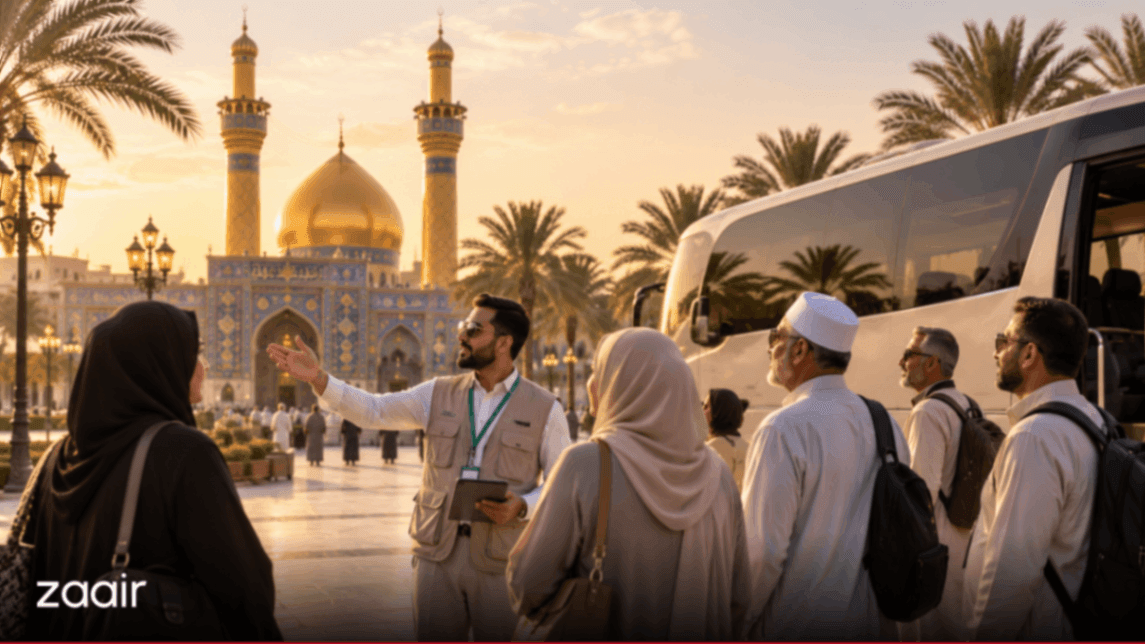



Every year, millions of pilgrims travel to Najaf, Iraq, to visit the Imam Ali (A.S) Shrine. It's one of Islam's most sacred sites, and it holds deep meaning for Muslims across the world. If you're visiting for the first time, it's easy to feel overwhelmed without knowing what to expect. But when you know the basics, the whole experience becomes more peaceful and meaningful.
This blog covers what you need to know for a smooth, respectful visit, whether you're coming for faith, history, or both.
Why Is the Imam Ali (A.S) Shrine So Spiritually Significant?
Imam Ali ibn Abi Talib was the cousin and son-in-law of Prophet Muhammad (PBUH). Both Shia and Sunni Muslims hold him in deep reverence. His grave in Najaf has become a sacred destination for prayers and devotion over many centuries.
For Shia Muslims especially, visiting this shrine is one of the most rewarding acts of worship. There's a belief that prayers offered here with sincerity carry special weight. Pilgrims arrive carrying personal duas, grief, and hope. Most leave with a feeling of real peace.
What Is the History Behind the Shrine?
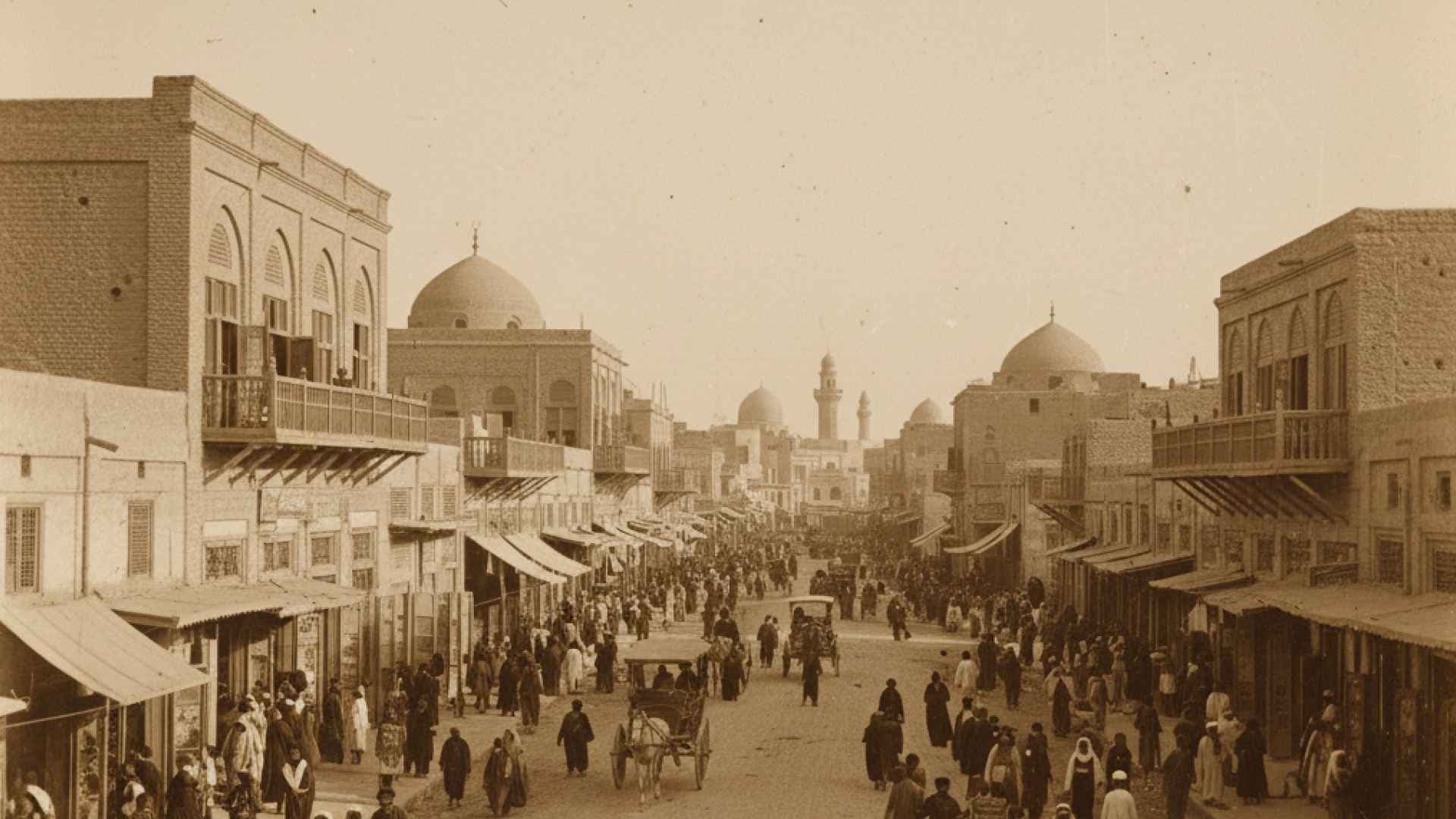
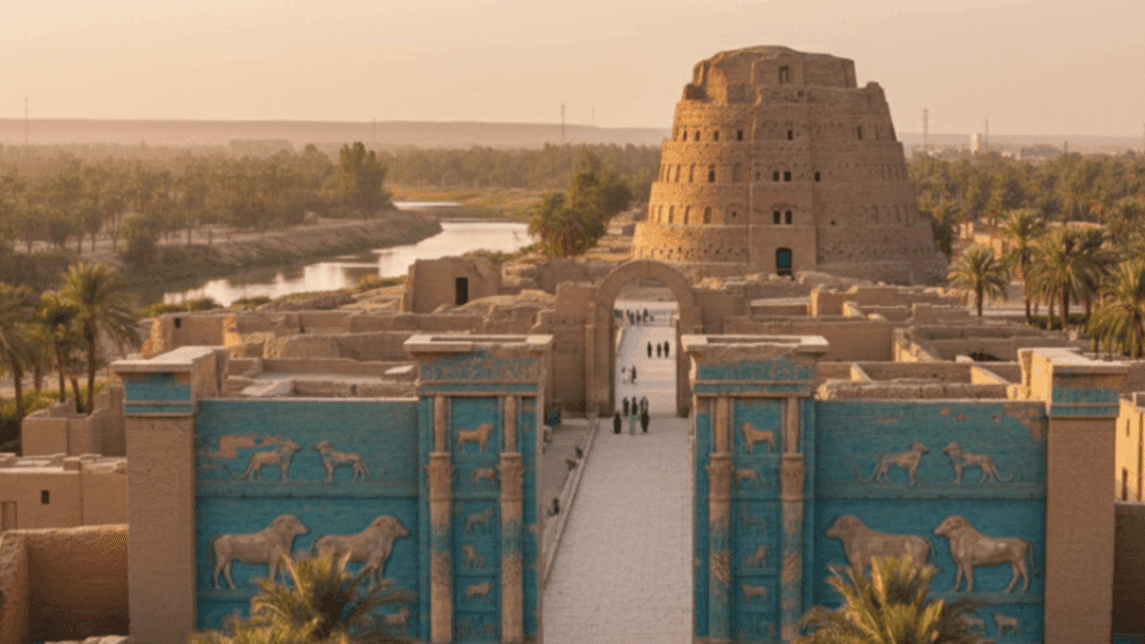
The shrine you see today has been through many hands, many rulers, and countless rebuilds over the centuries. It was first built over Imam Ali's grave, then expanded by different Muslim rulers in different eras. The Buyid dynasty left significant marks on it, and so did the Safavid rulers in Persia. What stands today blends centuries of Islamic architecture with recent restoration work, it's genuinely unlike most buildings you'll ever see.
How Do You Get to Najaf and the Shrine?
Getting there from abroad takes some planning, but it's straightforward. Najaf International Airport receives direct flights from Iran, Turkey, and several Gulf states. It's about 10 kilometres from the shrine. Many pilgrims also come by road from nearby cities like Karbala and Baghdad, travelling by bus, taxi, or private car.
Once you're in Najaf, taxis and rickshaws are your easiest option to reach the shrine. The local population is used to helping visitors find their way, and you'll find signboards in Arabic and sometimes English pointing the direction.
Planning your Trip to Iraq? Zaair travel services can handle your flights, accommodation, and ground arrangements so you can focus on the visit itself.
What Rules and Etiquette Should You Follow at the Shrine?
The shrine has a clear atmosphere of reverence. Most of it is unspoken, you pick it up the moment you walk in.
- Voices stay low, and phones go away inside the main halls
- People move carefully around others who are deep in prayer
- Shoes come off before entry, so wear something easy to slip on and off
- Men and women enter through separate sections, strictly observed throughout
One thing first-timers sometimes miss: the shrine runs on a different pace. There's no rushing. People sit, pray, and stay as long as they need to. The space is designed for exactly that.
What Will You See Inside the Shrine?
The main hall is called the Rauza. This is where the tomb of Imam Ali (A.S) is located. Gold-plated decorations cover the walls and ceilings with remarkable detail. Thousands of pilgrims gather here daily to offer prayers and seek blessings.
At the centre of everything is the Zarih, a golden cage-like structure surrounding the actual tomb. Pilgrims touch or hold onto it while reciting prayers and sending salutations to Imam Ali (A.S). The shrine maintains separate sections for men and women, with staff on hand to assist and direct visitors throughout.
When Is the Best Time to Visit the Shrine?
Timing makes a real difference in how the experience feels.
For a Quieter Visit
Weekdays are noticeably less crowded than weekends, giving you more space and calm inside. Arriving early in the morning means fewer pilgrims, shorter queues, and a much more peaceful atmosphere. Avoid Friday afternoons, as they draw the largest local crowds and make moving around the shrine quite difficult.
For a Spiritual Experience
Arbaeen season draws tens of millions of pilgrims. It's the largest annual human gathering on earth, nothing else comes close. The shrine takes on a completely different energy during Ramadan nights, spiritually charged in a way that's hard to describe.
What Else Can You Visit Near the Shrine in Najaf?
Najaf has more to offer than just the shrine, and most of it is within easy reach.
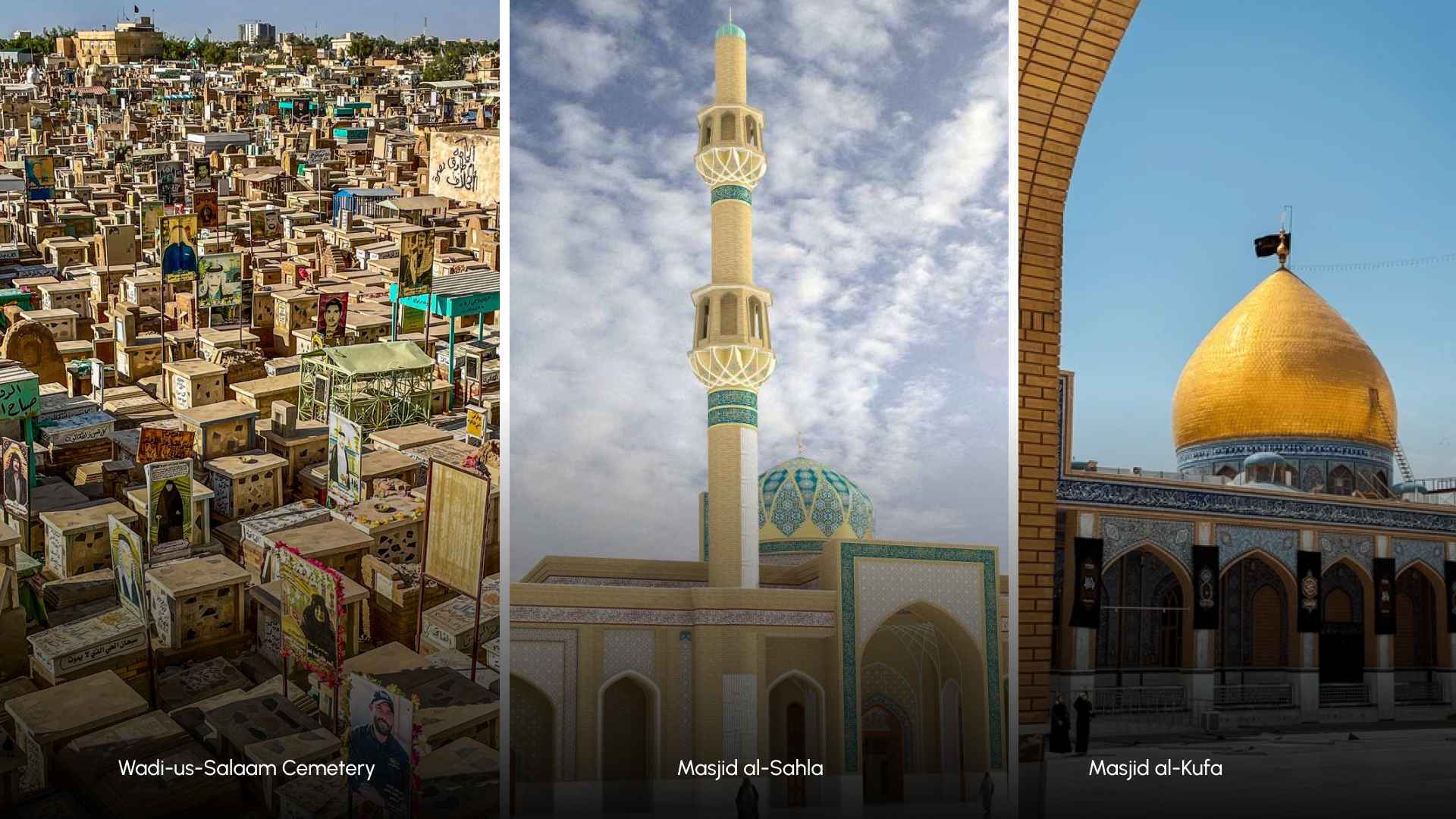
Wadi-us-Salaam Cemetery sits right next to the shrine. It's one of the largest and oldest burial grounds in the world, with millions of Muslims buried there across many centuries.
Kufa Mosque is a short drive away. It's one of the oldest mosques in Islamic history and is closely tied to major events in early Islam.
Masjid Sahla is associated with several Prophets. Pilgrims visit specifically to pray here, and it's well worth including in your itinerary.
Exploring multiple sacred sites in Najaf? Check what Zaair offers for visiting Karbala and other destinations too.
Conclusion
The Imam Ali (A.S) Shrine is a living place of faith, prayer, and deep spiritual connection for millions worldwide. First-time visitors often leave feeling moved in ways they didn't expect. Planning a visit to Najaf takes more than just booking a flight. You need to sort visa guidance, accommodation near the shrine, and on-the-ground logistics. Zaair specialises in Ziyarat travel, helping pilgrims plan trips to Najaf, Karbala, and other sacred sites. Whether you need help with your visa, flight booking, transport, or finding the right place to stay close to the shrine, it handles everything, so you can focus on the visit itself.
FAQS
What makes the Imam Ali Shrine different from other Islamic pilgrimage sites?
It's one of the most revered graves in Islam. Imam Ali was the Prophet's closest companion, and the shrine has centuries of history built into every wall.
Do I need to book accommodation in advance?
Definitely during Arbaeen and Ramadan, hotels fill up months ahead, but for regular times, a week or two before is usually fine.
What's the historical connection between Imam Ali and the city of Najaf?
Najaf grew around his tomb, it became a centre of Islamic learning and pilgrimage because of him, tying the city's entire identity to the shrine.
Why is Arbaeen such a massive gathering compared to other times?
Arbaeen marks 40 days after Ashura, one of the most important dates in Shia Islam, it's when the spiritual energy peaks and millions feel called to be there.
What's the significance of the gold decorations covering the walls and ceilings?
Gold symbolises holiness and honour in Islamic tradition, the intricate gold-plated work covering the Rauza reflects centuries of devotion and represents the reverence Muslims have for Imam Ali.