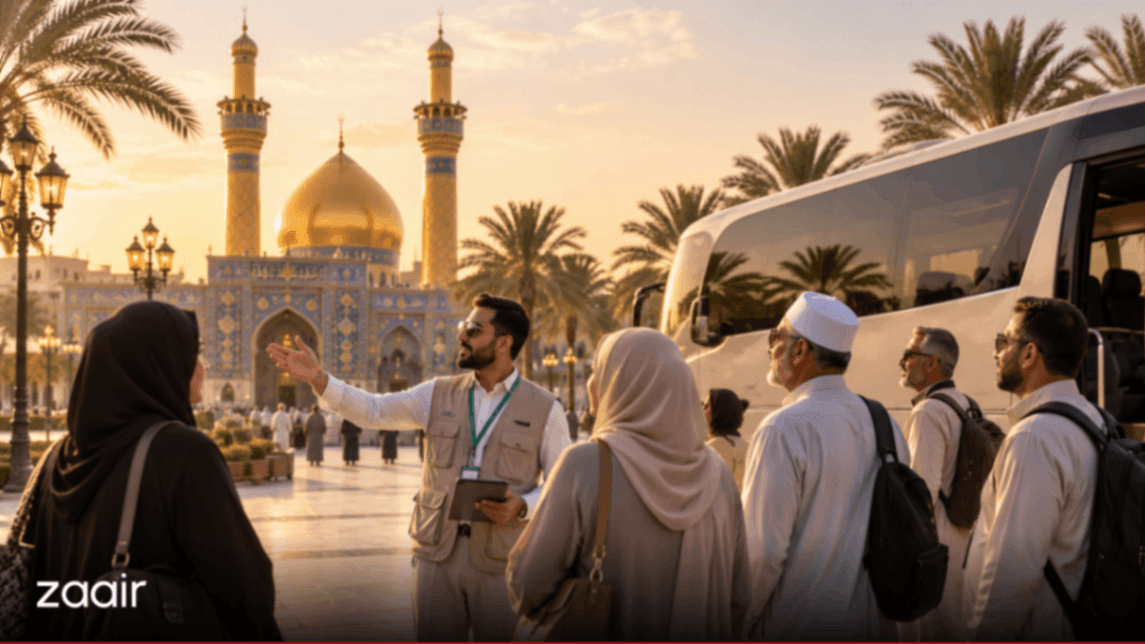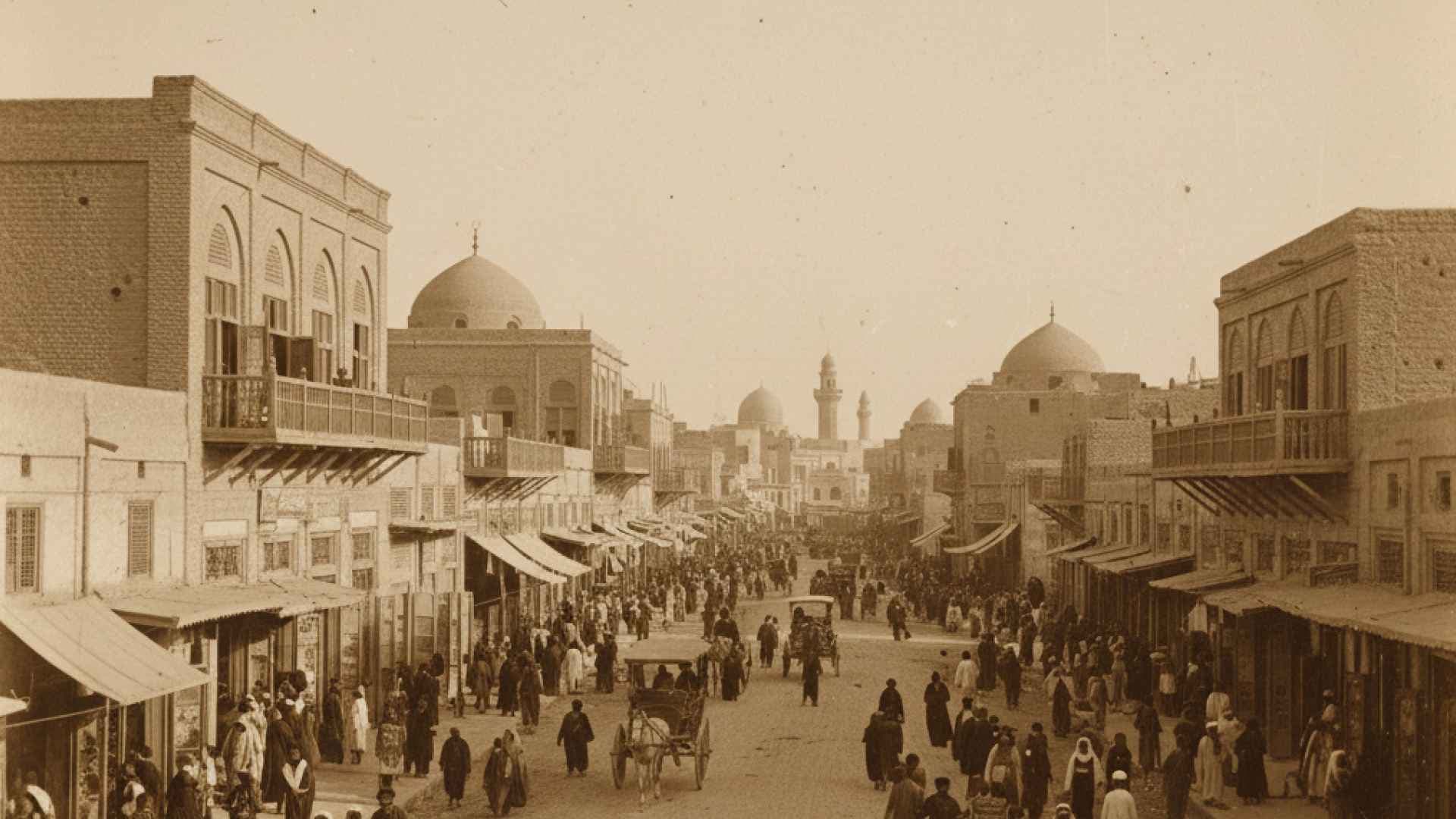


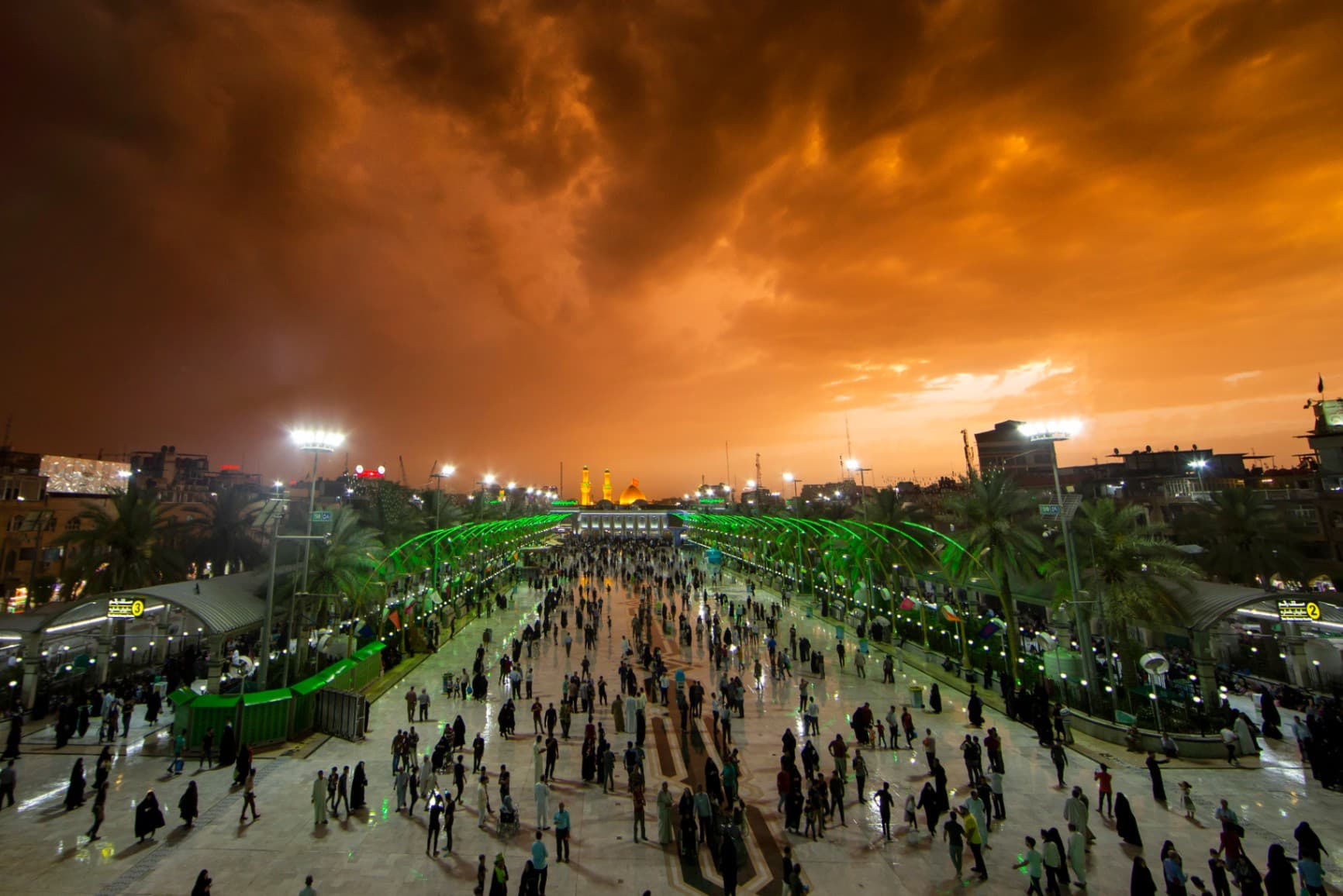

Iraq has some of the most sacred shrines, mosques, and landmarks in the world. Millions of pilgrims visit each year. Going to these holy sites is a spiritual journey that offers time for reflection, prayer, and connecting with your faith. The streets of Najaf and ziyarat Karbala Iraq are full of devotion, but the pilgrimage can be physically demanding. Long walks, crowded areas can make travel hard, especially for first-time visitors. With preparation, planning, and respect for local customs, the trip can be smooth and fulfilling. Booking flights and hotels in advance, knowing how to get around, and understanding shrine etiquette help make your Iraq Ziyarat manageable and unforgettable.
Preparation for Iraq Ziyarat
Good preparation makes a big difference, so focus on flights, hotels, and personal wellness before leaving.
Book Flights Early: Flights to Najaf and Baghdad are in high demand during Arbaeen and other religious holidays. Booking early helps you get better prices and convenient schedules.
Book Hotels Early: Hotels near shrines fill up fast during peak seasons, so booking early avoids this stress. Pick hotels near the Najaf and Karbala shrines to reduce daily travel.
Wellness Planning: Get recommended vaccinations and bring your daily medications, as local pharmacies may not carry the same brands.
Traveling Between Iraq’s Holy Sites
Traveling between these holy places is a key part of the pilgrimage, and knowing the routes helps you move comfortably while exploring important places to visit in Iraq.
Najaf
Most pilgrims begin in Najaf to visit the shrine of Imam Ali (a.s). The city is calmer than Karbala, but still busy. Walking and local taxis are the main ways to get around safely and efficiently.
Karbala
Karbala is home to Imam Hussain’s shrine and a central destination for pilgrims. During peak times, many walk from Najaf, while outside these periods shared taxis and buses are available. Wear comfortable shoes, stay hydrated, and follow shrine guidance to navigate crowds smoothly.
Kadhimiya and Samarra
Kadhimiya and Samarra are visited from Baghdad. Security is strict, so travel with a reliable guide. Kadhimiya houses Imam Musa al-Kazim and Imam Muhammad al-Taqi shrines, while Samarra has Imam Ali al-Hadi and Imam Hasan al-Askari shrines.
Preparing for the Pilgrimage Season
The pilgrimage, especially during Arbaeen, is physically demanding. Prepare by training for long walks, planning travel routes, wearing comfortable clothing, and staying patient in crowded areas to ensure a safe and meaningful visit.
Tips for Safe and Respectful Travel
Following simple guidelines helps you stay safe, respect local customs, and make your visit to the holy sites in Iraq more meaningful and stress-free.
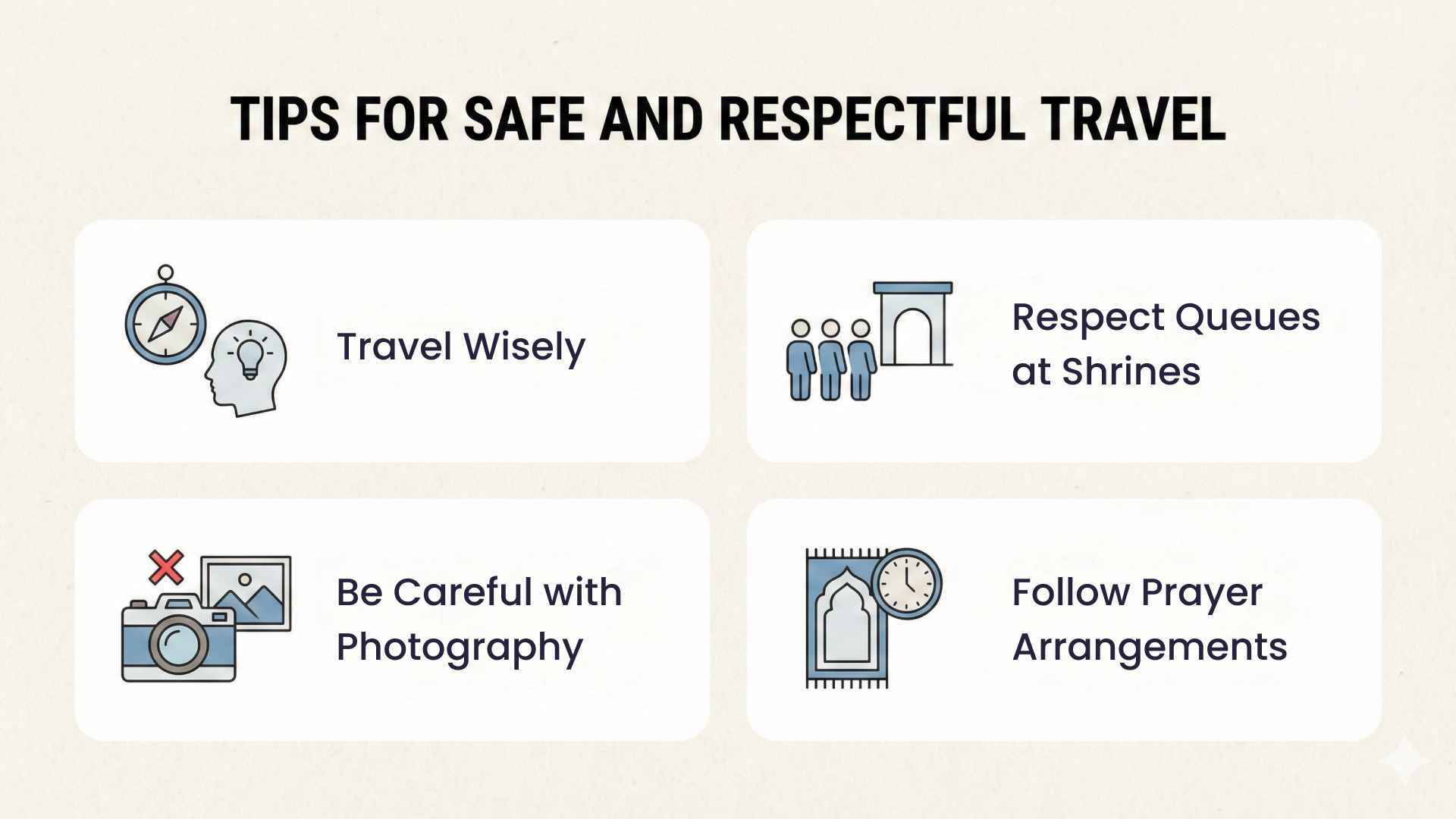
Travel Wisely: Travel in groups. Use drivers arranged by trusted travel agencies. Avoid traveling at night unless necessary.
Respect Queues at Shrines: Shrines can get very crowded. Be patient, wait your turn, and move slowly.
Be Careful with Photography: Not all shrines allow cameras. Ask before taking pictures to avoid disturbing others.
Follow Prayer Arrangements: Men and women usually pray in separate areas. Follow signs and staff guidance to keep visits smooth and respectful.
Why Should You Choose Zaair for a Smooth Ziyarat?
Zaair makes Iraq Ziyarat easier and stress-free, especially for first-time pilgrims. Many travelers worry about flights, visas, hotels, and local transport, but Zaair takes care of all these details.
- Get help with visa applications and travel documents
- Book flights and hotels in advance near major shrines
- Follow pre-arranged routes covering Najaf, Karbala, Baghdad, and Samarra
- Travel safely between cities with organized transport
- Access knowledgeable guides who understand both spiritual and logistical needs
- Enjoy a balanced schedule with rest time, ideal for families and elderly pilgrims
Zaair handles the planning so pilgrims can focus on prayers, reflection, and connecting with the holy sites.
Common Challenges and How to Handle Them
- The Internet may be weak in rural areas or on highways. Save offline maps and key contact numbers beforehand.
- Arabic is the main language, and English is limited to outside hotels and travel agencies. Learning basic Arabic phrases helps with greetings, directions, and buying food.
- Travel between cities can take longer than expected due to crowds or security checks. Allow extra time in your schedule.
Conclusion
Ziyarat in Iraq is a deeply meaningful journey that offers time for reflection, prayer, and spiritual connection. While the trip can be physically demanding and the crowds overwhelming, careful planning makes it smoother and more fulfilling. Booking flights and hotels early, packing medicines, preparing for the weather accordingly, respecting local customs, and following prayer arrangements help ensure a comfortable visit. Zaair takes care of visa, flights, hotels, transport, and guides who understand both spiritual and practical needs, allowing pilgrims to focus fully on the shrines, their prayers, and the personal journey ahead.
FAQs
How many days are enough to visit all major shrines in Iraq?
Most pilgrims spend 7 to 10 days covering Najaf, Karbala, Kadhimiya, and Samarra. You can add extra days for rest or smaller sites.
Can women travel alone during the Iraq Ziyarat?
Yes, women can travel alone, but joining a group is safer and makes moving through crowded areas easier, especially during Arbaeen.
How can I move safely between holy sites?
Use trusted drivers, join groups when possible, and avoid traveling at night. Shared taxis and buses are available between Najaf, Karbala, and other cities.
What is the best way to navigate crowds at the shrines?
Plan your visits during less busy hours if possible, follow queue signs, move slowly with the crowd, and follow guidance from shrine staff. Staying patient and aware helps ensure a smooth and respectful experience.
How does Zaair help first-time visitors?
Zaair arranges hotels, transport, routes, and guides so pilgrims can focus on prayers and visiting the shrines without worrying about logistics.