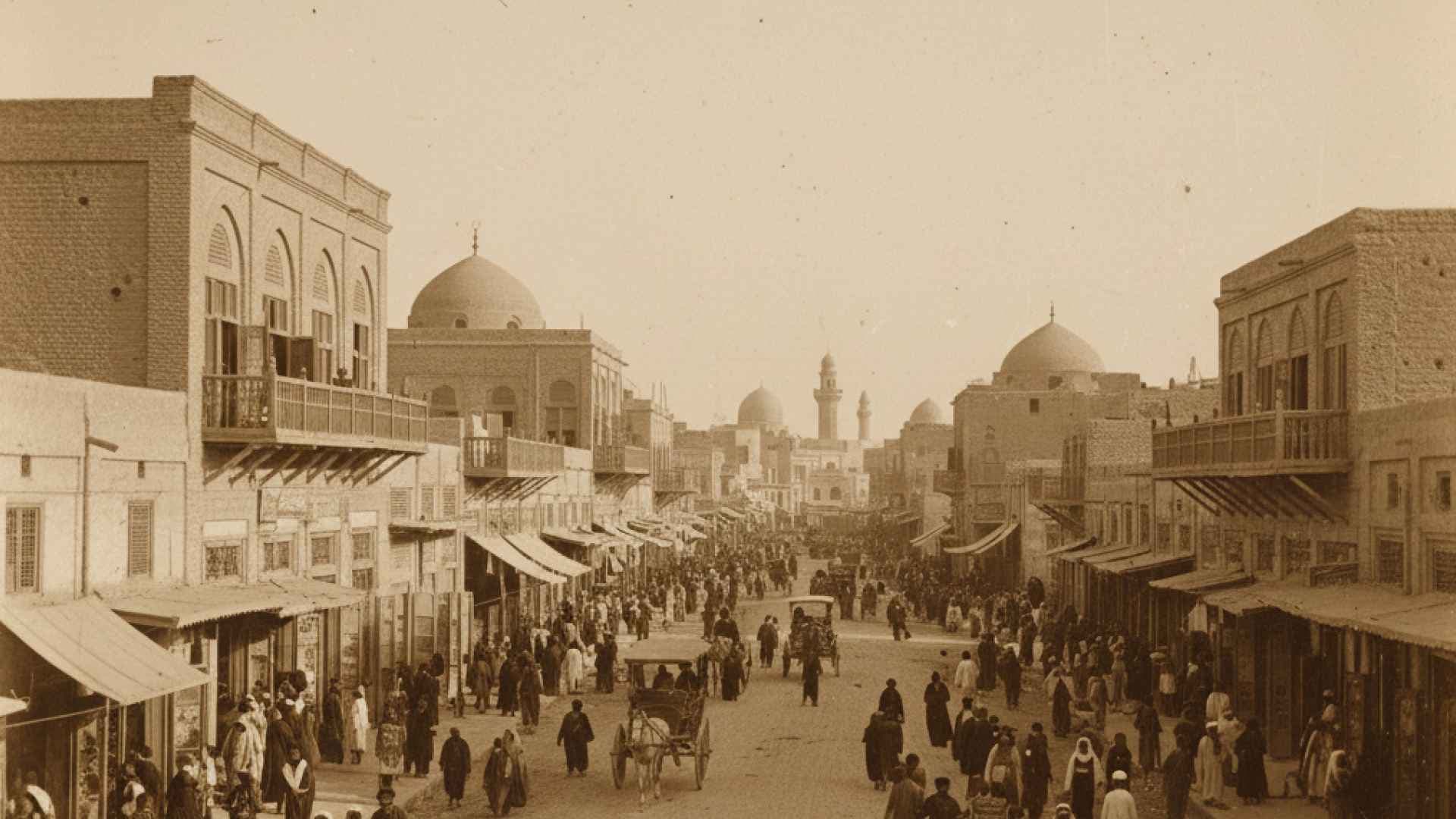


Iraq has always been an attractive location to tourists and pilgrims worldwide. Every single street of Baghdad, to the holy places of Karbala and Najaf, has a tale of faith and inheritance. Crafting the perfect itinerary can transform a trip from overwhelming to unforgettable, ensuring you experience the country’s rich traditions, iconic landmarks, and hidden gems. A carefully planned Iraq tour allows visitors to balance exploration, reflection, and cultural experiences, making every moment meaningful and memorable.
Which Cities Are Essential for First-Time Visitors?
The first time when someone visits Iraq may be thrilling and confusing. It has numerous historic landmarks, spiritual sites, and cultural experiences and it is useful to narrow down to the major cities that provide a complete introduction of the country. The below destinations offer a good combination of history, culture, and spiritualism, thus making sure that first-time visitors enjoy their trip the most.
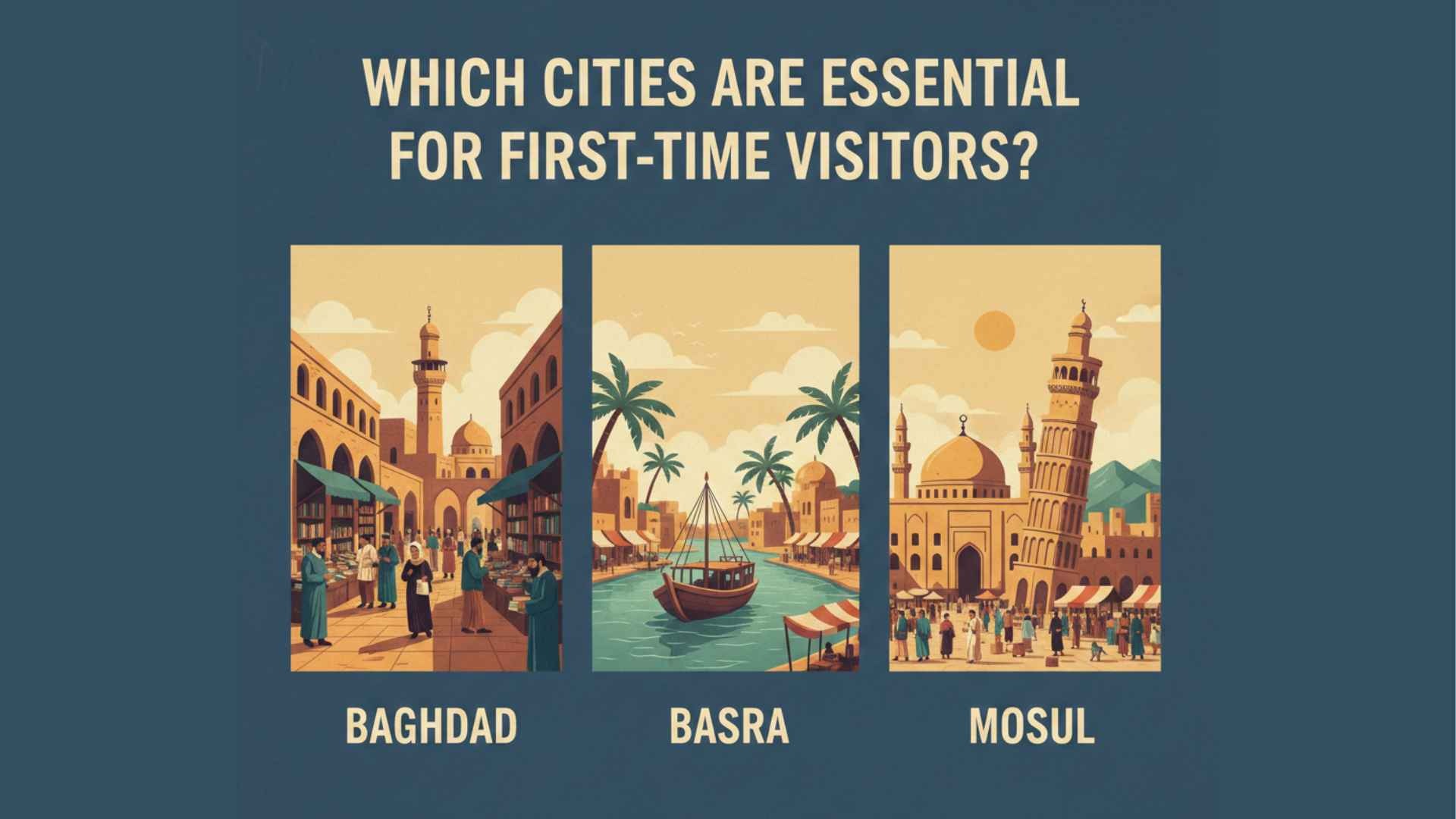
Baghdad: The capital is often the starting point for just Iraq journey. Its museums, historic neighborhoods, and the Tigris River showcase the country’s cultural heartbeat, blending ancient traditions with modern life.
Basra: In the south, Basra charms with its waterways, date palms, and vibrant markets along the Shatt al-Arab. Serene boat rides and local crafts make it a sensory delight.
Mosul: Despite recent challenges, Mosul is a treasure trove of history. Ancient Nineveh and restored cultural landmarks make it a fascinating destination for history enthusiasts.
By focusing on these cities, first-time visitors can enjoy a well-rounded journey, combining historical exploration, cultural encounters, and spiritual reflection for an unforgettable experience in Iraq.
How Many Days Do You Need to Experience Iraq Properly?
The duration of your trip plays a key role in truly experiencing all that Iraq has to offer. Spending 7 to 10 days in the country allows travelers to fully immerse themselves in its rich history, vibrant culture, and deeply spiritual landmarks. Shorter visits often feel rushed, leaving little time to reflect or truly absorb the atmosphere of each site. Traveling too quickly can turn what should be a meaningful journey into a tiring race from one place to another, leaving visitors physically drained and spiritually unfulfilled.
With ample time, visitors can explore iconic landmarks, experience authentic local traditions, enjoy regional cuisine, and engage in thoughtful moments of worship or reflection. A well-paced itinerary allows travelers to connect more deeply with the people, culture, and spirituality of Iraq, creating memories that go far beyond sightseeing. Taking the journey slowly ensures a richer, more rewarding experience that balances exploration, comfort, and personal growth.
Which Sacred Cities Should Be Included in a Ziyarat Itinerary?
Pilgrims should plan well before visiting Iraq to be able to enjoy the spiritual and cultural Iraq in a Ziyarat journey. It has some of the most sacred Islamic places, and visiting them as a part of your itinerary would be a rewarding experience. Najaf is one of the major destinations of Shia pilgrims and the Imam Ali Shrine presents a site of deep religious feelings and contemplation. Traveling to Najaf will also enable visitors to observe the centuries-old religious tradition in the peaceful environment of the city.
Karbala is equally significant, especially for those honoring the legacy of Imam Hussein. During major religious occasions, the shrines attract countless pilgrims, and even at other times, they provide a deeply moving and spiritually enriching experience. Samarra and Kufa are other significant cities with the Al-Askari Shrine and historical and religious importance to both scholars and pilgrims. These sites would make a Ziyarat itinerary complete and spiritually abundant. Considerable care should be given to the order of visiting the various religious sites so that people do not have to travel the same path over and over again and instead have enough time to worship, reflect and study each place of worship.
For more insights, read our related blog: First-Time Travelling to Iraq? Must-Do Experiences in Iraq's Capital
How Can Better Planning Improve the Quality of the Trip
Careful planning can turn a trip into an unforgettable experience. A well-organized itinerary helps reduce stress, ensures smooth travel between destinations, and allows visitors to fully appreciate the history, culture, and spiritual significance of each location.
- Booking of rooms close to important landmarks to save time and make the most of convenience.
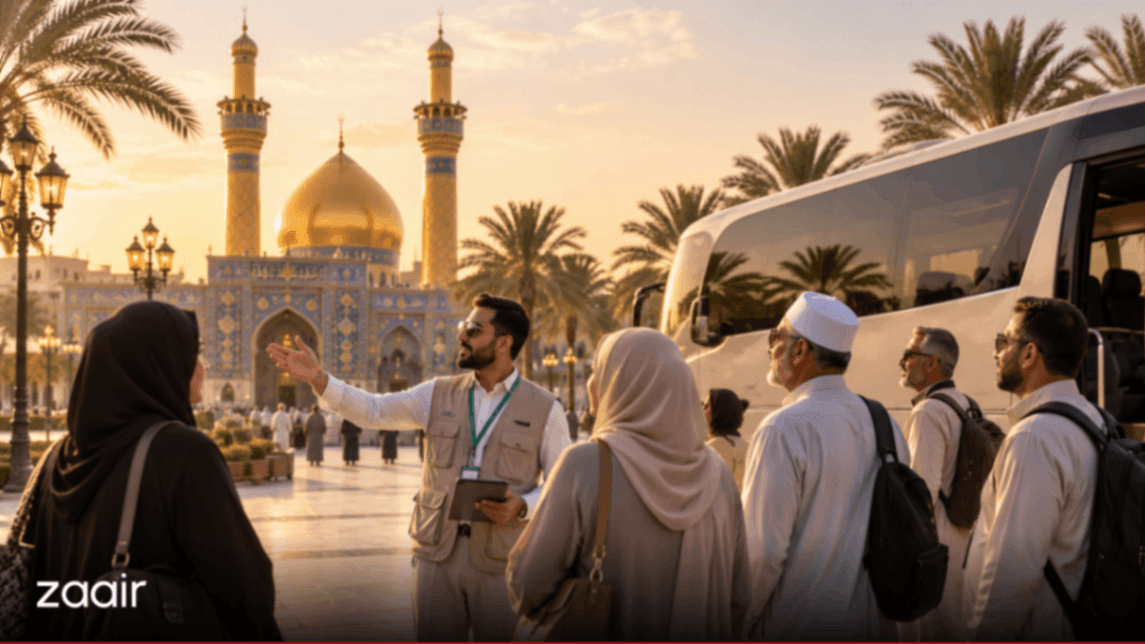
- Arrange guided tours with knowledgeable local guides for deeper insights and meaningful experiences.
- Organize traveling to prevent time loss and reduce physical stress, particularly during the movement between different cities.
- Research local customs and traditions, including dress codes and behavior in sacred spaces, to engage respectfully.
- Allocate time for rest and reflection to absorb the spiritual and cultural atmosphere of each site.
- Include flexibility for spontaneous exploration or local experiences, allowing travelers to discover hidden gems along the way.
By following these steps, travelers can enjoy a seamless, comfortable, and enriching journey that balances convenience, cultural understanding, and spiritual reflection.
How Can Travelers Balance Worship, Rest, and Exploration?
Visiting Iraq for a spiritual journey means including time for prayer, relaxation, and discovering its landmarks. The schedule can be overloaded, which will result in fatigue, or excessive downtime can restrict the richness of the experience. In the morning, travelers can spend time praying and meditating at major shrines and rest at midday or engage in light activities so that they are refreshed throughout the day.
Afternoons and evenings can be reserved for cultural exploration, tasting local cuisine, and visiting historic landmarks, with some flexibility built in for unexpected discoveries like local events or bustling markets. By consciously balancing these aspects, pilgrims and tourists can enjoy a fulfilling journey that nurtures both body and soul while fully appreciating Iraq’s rich heritage.
Conclusion
Planning the perfect Iraq tour requires a careful blend of history, culture, and spirituality. From the bustling streets of Baghdad to the sacred shrines of Najaf and Karbala, each city offers unique experiences that can leave a lasting impression. By thoughtfully organizing your itinerary, allowing time for worship, rest, and exploration, and respecting local customs, travelers can enjoy a journey that is both meaningful and memorable. For those seeking a seamless experience, Zaair offers comprehensive services covering visa assistance, flights, luxury accommodations, and guided tours, so you can focus entirely on the spiritual and cultural essence of your journey.
FAQs
How many days are ideal for a first-time Iraq visit?
A trip of 7 to 10 days is recommended to cover key cities like Baghdad, Basra, Mosul, Najaf, and Karbala without feeling rushed.
Which cities are essential for a meaningful Ziyarat itinerary?
Najaf, Karbala, Samarra, and Kufa are the most significant spiritual destinations for Shia pilgrims, each offering unique religious and historical experiences.
Can I combine worship, sightseeing, and rest effectively?
Yes. Mornings can be dedicated to worship, midday for rest or light activities, and afternoons/evenings for sightseeing, cultural exploration, and local cuisine.
How can planning improve the quality of my trip?
Booking accommodations near landmarks, arranging guided tours, coordinating transportation in advance, and understanding local customs all ensure a smooth, comfortable, and enriching journey.
What support does Zaair provide during the trip?
Zaair provides services including personalized itineraries, guided experiences, transportation, and assistance with accommodations, ensuring travelers can focus on their spiritual journey and enjoy a hassle-free trip.