
Traveling to Iraq for Ziyarat is a deeply spiritual experience. Visiting shrines in Najaf, Karbala, Samarra, or Kadhimayn gives time for reflection, prayer, and connection with faith. Iraq has hot summers, mild winters, and short transitional seasons. Major events like Arbaeen and Ashura attract millions of pilgrims. Visiting during these times is spiritually rewarding but requires careful planning. Choosing the right time keeps you comfortable and allows you to complete your Iraq tour itinerary without stress. This blog covers the best months for Ziyarat, the weather, key events, travel tips, and cultural highlights to help you plan a meaningful pilgrimage.
Understanding Iraq’s Seasons for Ziyarat
Iraq’s climate is dry like a desert, and the weather greatly affects your energy for walking, praying, and visiting shrines, making careful planning essential for a comfortable Iraq tourism experience.
Winter (November – April)
Winter is good for Ziyarat and Iraq tourism, as cultural sites like Babylon and Baghdad are easier to explore in cool weather.
- Daytime temperatures: 10–20°C
- Nights can be cold, so bring a jacket
- Crowds are medium
- Easy to visit multiple cities
Spring (March – May)
It is mild and calm in spring, which is ideal for a peaceful visit.
- Temperatures rise gradually
- Crowds are light to moderate
- Shrines are quieter and transport is smooth
Summer (May – October)
During the summer season, use air-conditioned transport, shaded rest stops, and drink plenty of water.
- Temperatures often exceed 45°C
- Walking between shrines can be exhausting
- Crowds are smaller than peak events
Autumn (September – October)
Autumn is one of the best seasons for Ziyarat, with comfortable weather and clear skies. This season also hosts Arbaeen, the world’s largest pilgrimage, so it is important to book flights and accommodations well in advance.
- Temperatures are warm but manageable
- Crowds are heavy during Arbaeen but calm afterward
- Walking and outdoor visits are easier
Key Religious Events
Arbaeen
Arbaeen is one of the largest religious gatherings in the world, attracting over 20 million pilgrims. It occurs in Safar, around September or October, when many walk from Najaf to Karbala. The crowds are massive, so planning is essential, but the spiritual experience is deeply rewarding.
Ashura
Ashura marks the martyrdom of Imam Hussain and takes place in Muharram, with dates varying each year. Karbala becomes the center of mourning, and travel can be harder if it falls during hot months. It is a significant opportunity to witness traditional rituals and ceremonies up close.
Other Important Occasions
Other important occasions include the birth anniversaries of the Imams, which draw moderate crowds. Ramadan provides a calmer atmosphere, and weekly gatherings in Najaf and Karbala offer peaceful and meaningful experiences for pilgrims seeking reflection and prayer.
Planning Your Iraq Tour Itinerary
A basic Iraq tour itinerary usually includes:
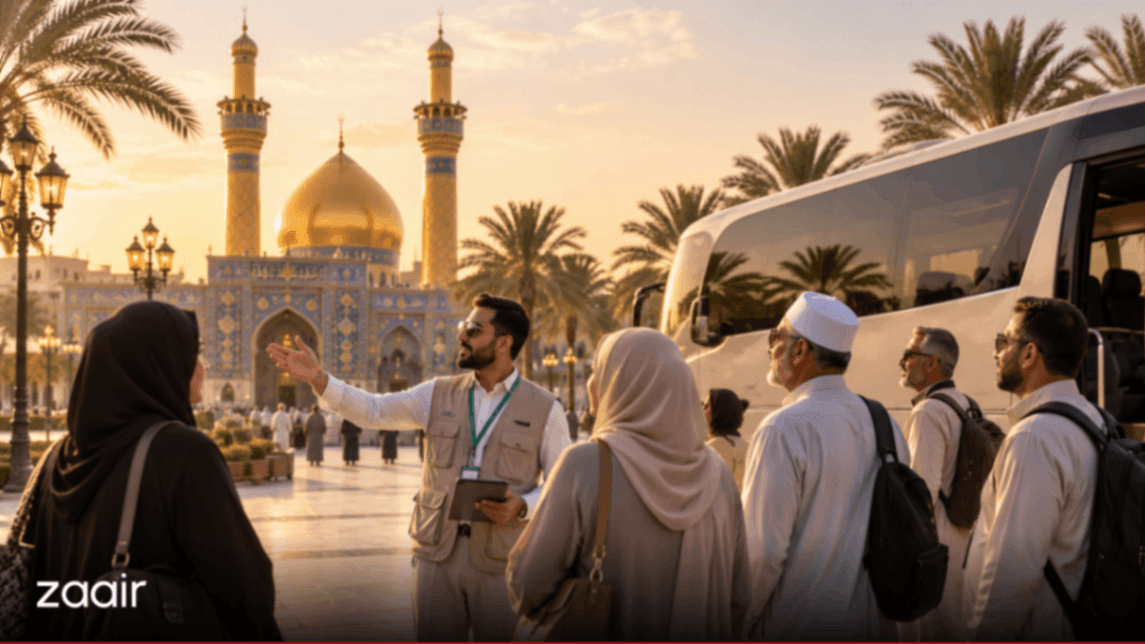
Najaf: Shrine of Imam Ali
Karbala: Shrines of Imam Hussain and Abbas
Kadhimayn: Shrines of Imam Musa al-Kadhim and Imam al-Jawad
Samarra: Al-Askari Shrine
Planning Your Iraq Tour Itinerary Around Seasons
Winter: Visit multiple cities easily
Arbaeen: Focus on Najaf and Karbala
Summer: Take shorter trips with planned rest
Spring/Autumn: Balanced touring and cultural visits
Balancing Comfort and Spirituality
Spiritual focus is the main goal, but comfort is important. Pilgrims seeking the full spiritual atmosphere may choose major events.
- Families with children or elders should avoid peak heat
- Quiet visitors should avoid Arbaeen
Places to Visit in Iraq Beyond Shrines
Ziyarat is central, but there are many other places to visit in Iraq that offer rich cultural, historical, and spiritual experiences.
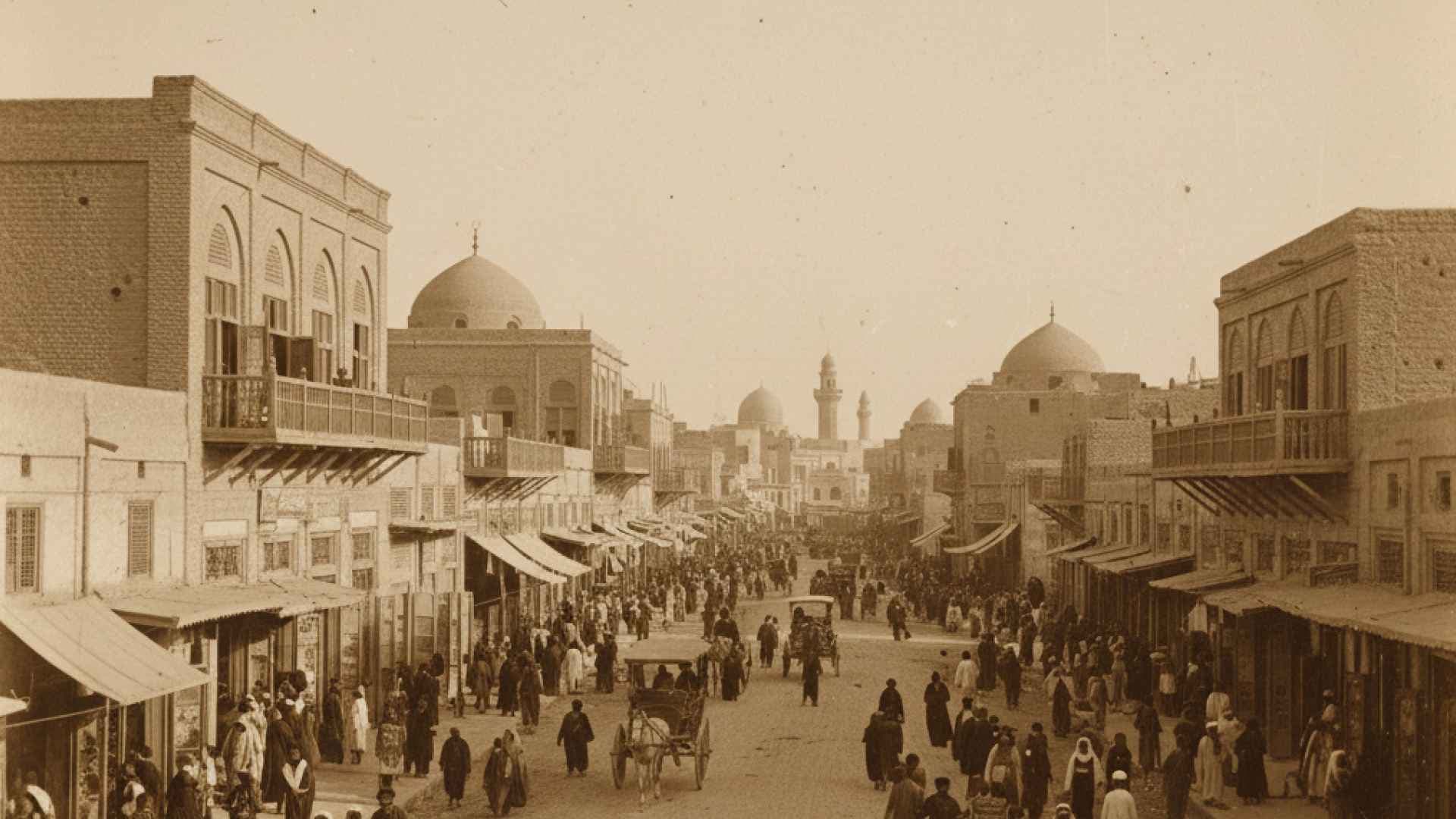
Baghdad: Historic markets, museums, and schools
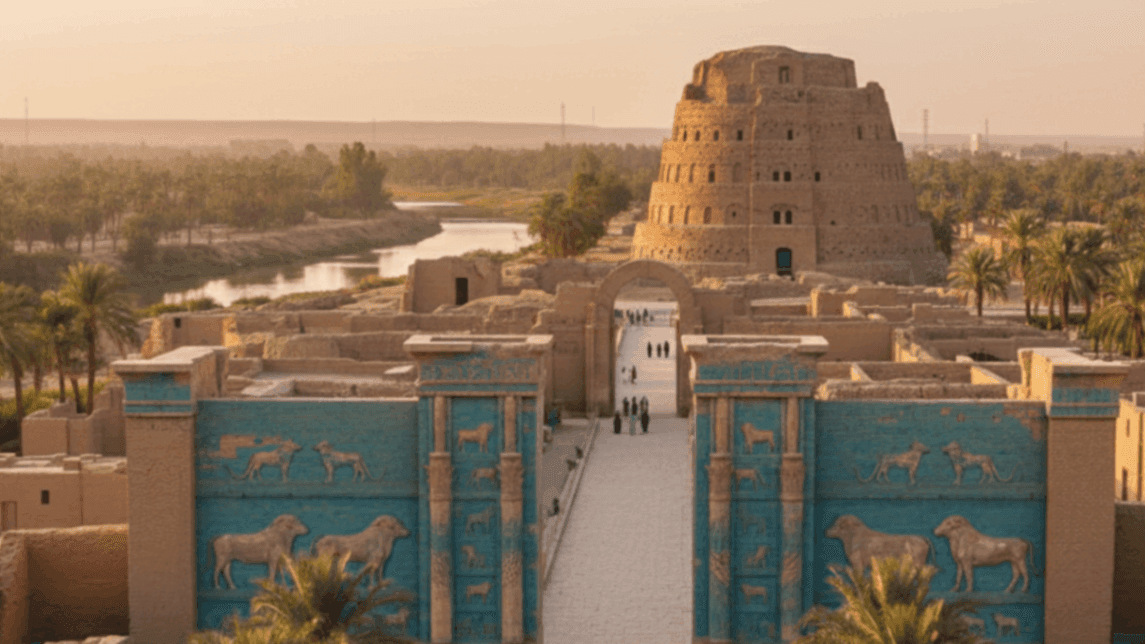
Babylon: Ancient ruins near Karbala
Najaf Libraries: Rare manuscripts and Islamic heritage
Kufa Mosque: One of the oldest mosques in Islamic history
Conclusion
The best time for Ziyarat is October to March. The weather is comfortable, and shrine visits are easier. April is also good for quiet visits. Summer requires extra planning for heat. Planning with Zaair makes the journey stress-free. Zaair arranges your Iraq tour itinerary, flights, hotels, transport, and visa support. Families, first-time pilgrims, and groups can rely on Zaair’s Ziyarat services to focus fully on prayer and reflection. Every visit, including cultural places to visit in Iraq, is organized so you can experience the spiritual significance of each shrine.
FAQs
How many days are enough for Ziyarat in Iraq?
Most pilgrims spend 7 to 10 days covering Najaf, Karbala, Kadhimayn, and Samarra.
Can I attend Arbaeen or Ashura comfortably?
Yes, but expect huge crowds and book hotels, flights months in advance.
Do I need a visa for Iraq?
Most travelers do. Requirements vary by nationality. Zaair can assist with paperwork.
Can I include cultural sites in my trip?
Yes. Many add Baghdad, Babylon, or Kufa to explore Iraq’s heritage alongside ziyarat.
How does Zaair support pilgrims?
Zaair handles itineraries, hotels, flights, transport, and guides. Pilgrims focus on prayer and visiting shrines while everything is fully managed.