


There are places in the world where history and faith meet in a way that feels deeply present. Masjid Kufa in Iraq is one of them. Pilgrims who visit describe something that goes beyond the physical experience of prayer in a beautiful mosque. The weight of what happened here, the decisions made, the figures who walked these floors, and the events that shaped Islamic history are all present in a way that feels immediate rather than distant. For anyone planning to travel to Iraq with genuine spiritual intent, skipping Masjid Kufa is not really an option. It is one of the most significant Islamic sites on earth.
What Is Masjid Kufa and Where Is It Located?
Masjid Kufa sits in the city of Kufa in the Najaf Governorate of southern Iraq. It stands a few kilometres from the city of Najaf, which is home to the shrine of Imam Ali ibn Abi Talib, making the two sites natural companions on any serious pilgrimage itinerary. Pilgrims planning to explore Najaf will find that Masjid Kufa fits naturally into the same visit without requiring significant extra travel time.
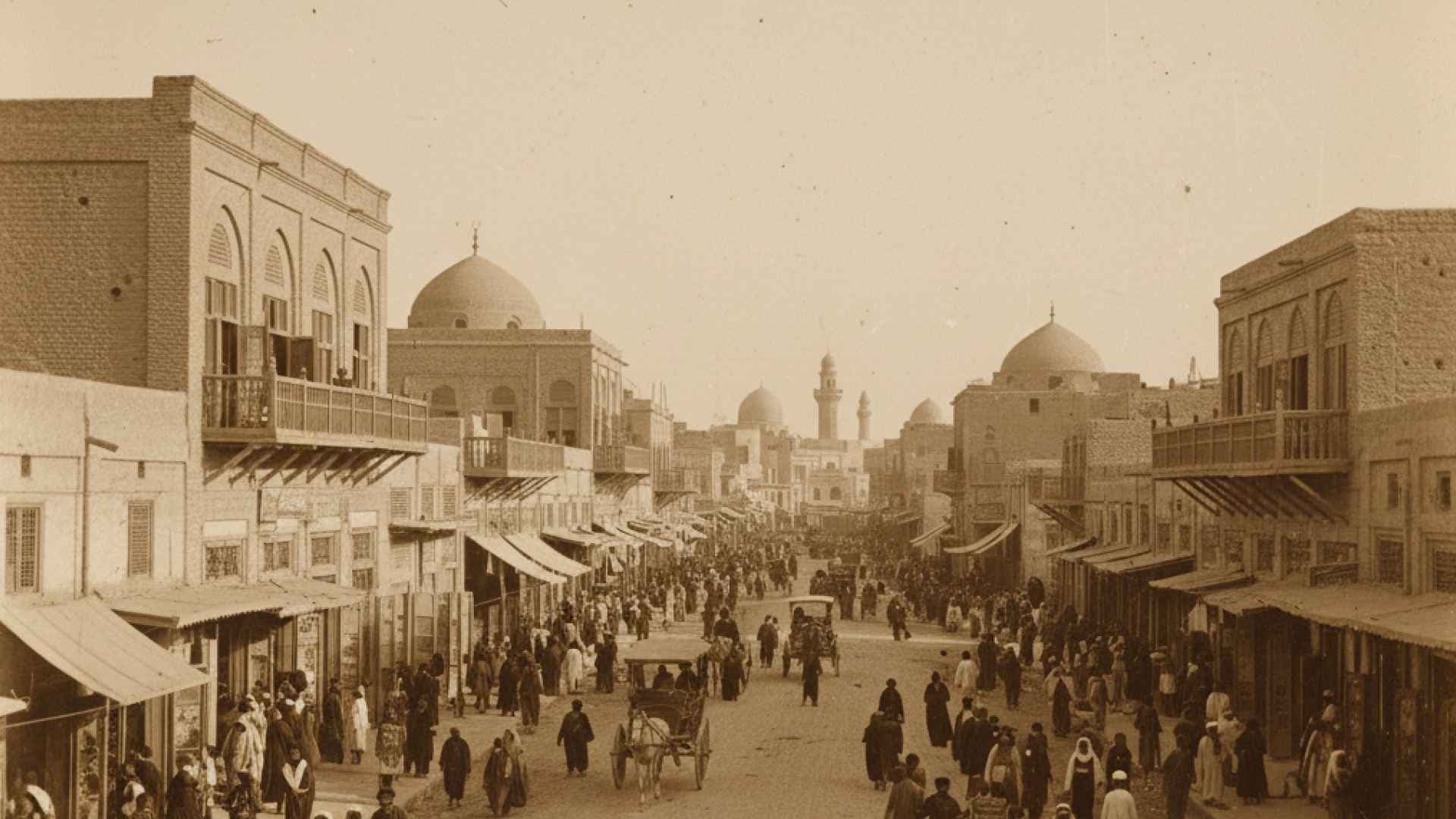
The mosque is one of the oldest in the Islamic world. It was established in the seventh century CE, shortly after the founding of Kufa as a garrison city under the Caliph Umar ibn al-Khattab. The city itself became one of the most important centres of early Islamic civilisation, and the mosque stood at the heart of that world from the very beginning.
For Shia Muslims in particular, Kufa holds a depth of significance that extends well beyond its age. It was the city where Imam Ali ibn Abi Talib governed as Caliph, where he was fatally struck while in prayer, and where many of the defining events of early Islamic history unfolded. Every corner of Masjid Kufa carries the memory of those events in some form.
Why Is Masjid Kufa Considered One of the Most Sacred Mosques in Islam?
Its Place Among the Great Mosques
Islamic tradition places Masjid Kufa in a category of mosques whose spiritual rank elevates prayer and worship performed within them. Classical Islamic scholarship has documented the virtues of praying in Masjid Kufa across centuries of religious literature.
Many scholars cite narrations from the Prophet Muhammad and the Imams that specifically mention Masjid Kufa as a place of profound reward for prayer, reflection, and supplication. For a pilgrim who understands this context, arriving at the mosque carries a weight that is difficult to articulate and easy to feel.
The Connection to Imam Ali
Imam Ali ibn Abi Talib used Masjid Kufa as his base during his caliphate. He led prayers here, delivered sermons from its pulpit, and administered the affairs of the early Islamic state from within the mosque's grounds. His presence shaped the spiritual identity of this space in ways that remained long after his death.
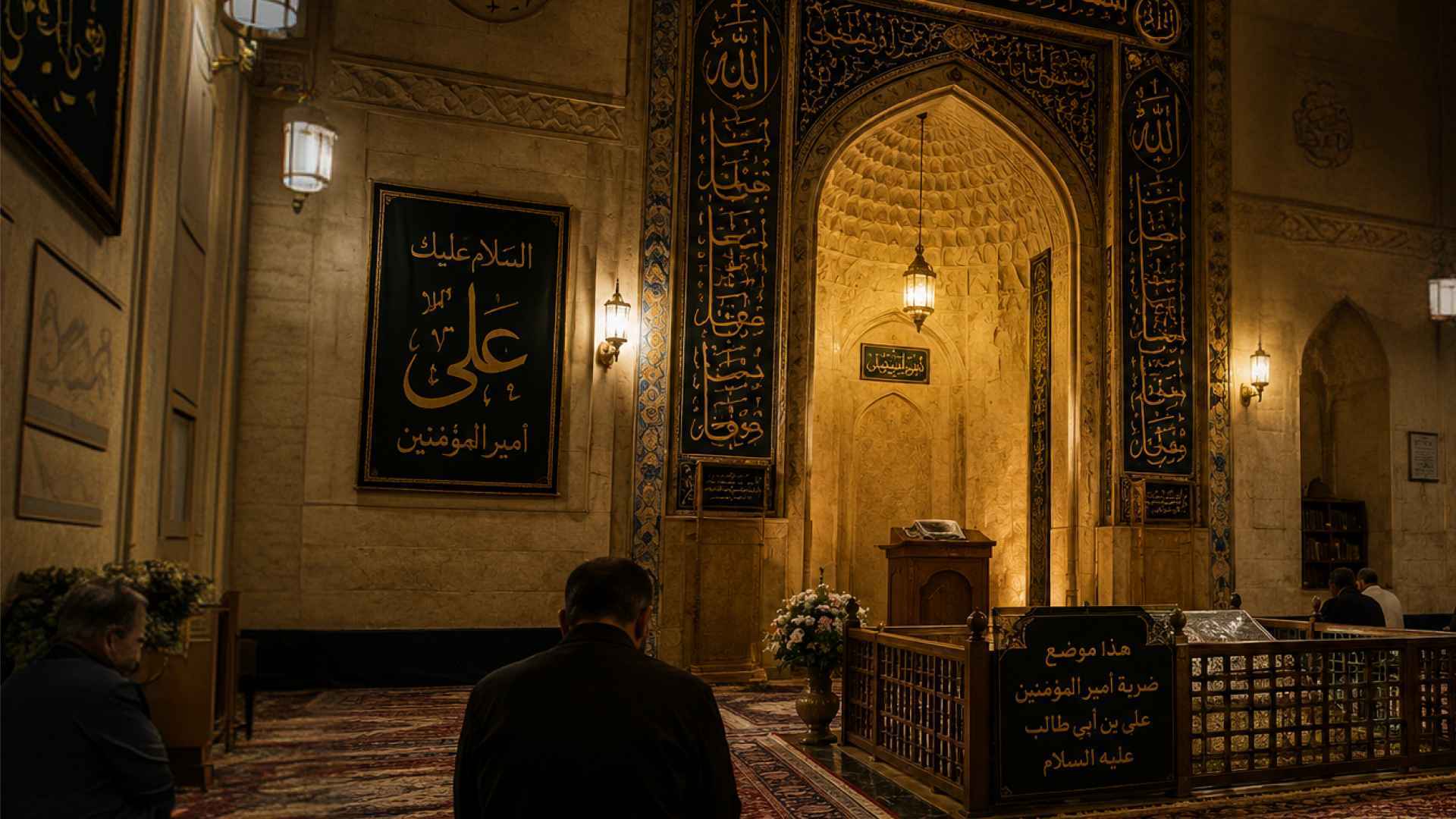
The spot inside the mosque where Imam Ali was struck by Ibn Muljam in the year 661 CE is preserved and marked. Pilgrims visit this location as one of the most emotionally significant stops within the entire mosque complex. Standing at that spot connects a visitor to one of the most sorrowful and consequential moments in Islamic history in a way that no book fully replicates.
What Are the Key Sites Within Masjid Kufa That Pilgrims Visit?
The mosque is not a single prayer hall, it’s a complex with multiple significant locations, each carrying its own history and spiritual meaning for pilgrims who know what they are standing in front of.
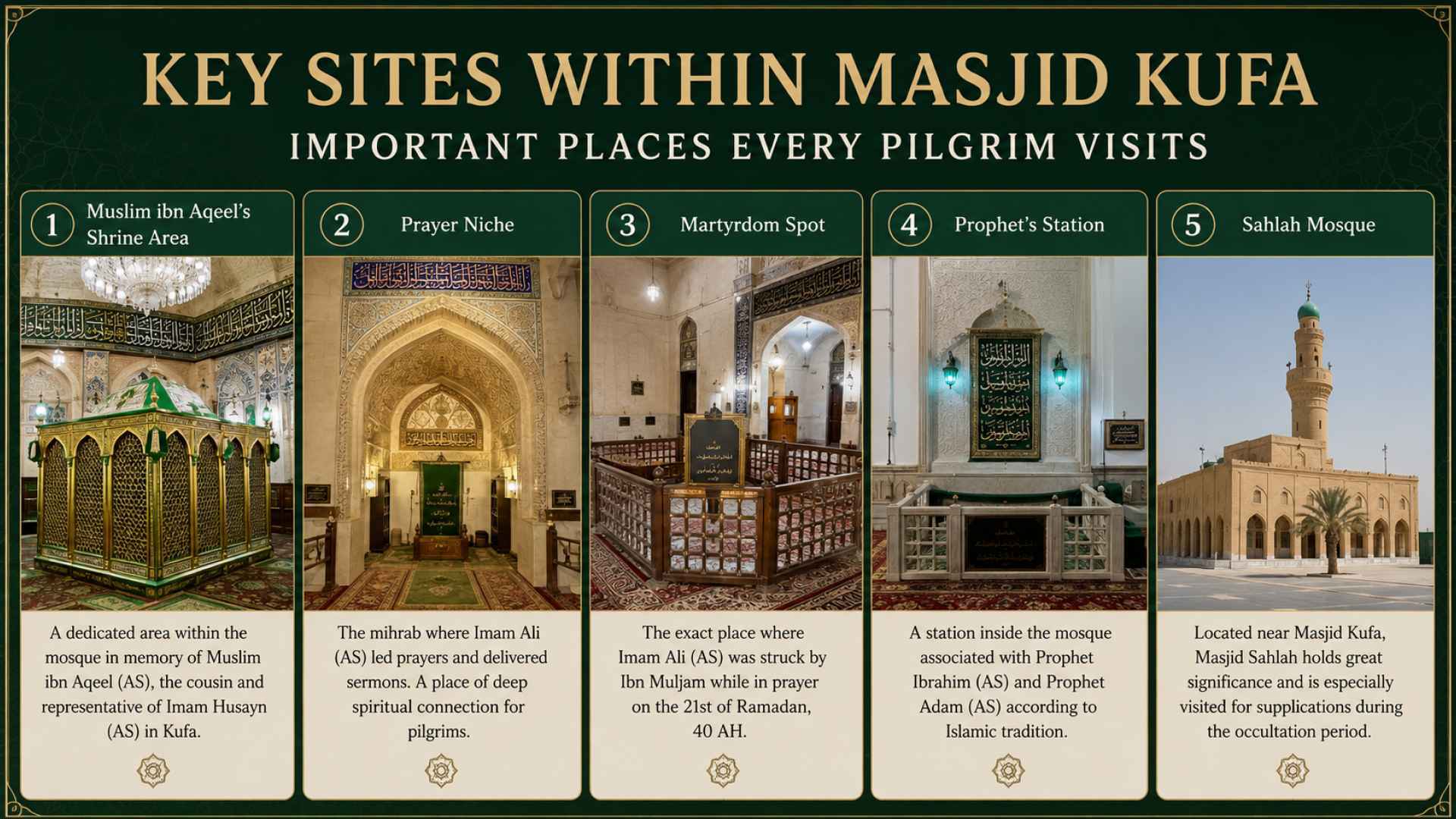
- Muslim ibn Aqeel’s Shrine Area: A smaller mosque within the complex dedicated to Muslim ibn Aqeel, the cousin and representative of Imam Husayn who was sent to Kufa before the events of Karbala. His story of betrayal and martyrdom is deeply woven into the spiritual narrative of this site.
- Prayer niche: The mihrab where Imam Ali led prayers is preserved inside the mosque. Pilgrims stand here and offer prayers in a location that the Imam himself used for the same purpose more than fourteen centuries ago.
- Martyrdom spot: The location where Imam Ali was struck down is marked with particular reverence. Many pilgrims spend extended time here in prayer, supplication, and reflection on the events of that night.
- Prophet's station: A section of the mosque associated with Prophet Ibrahim and Prophet Adam, according to Islamic tradition. The mosque's spiritual geography connects it to figures from across the long arc of prophetic history.
- Sahlah mosque: Located nearby rather than inside the main complex, Masjid Sahlah is often visited alongside Masjid Kufa. It carries its own significant traditions and is particularly associated with supplication during the occultation period.
What Does Visiting Masjid Kufa Offer That Other Sites Cannot?
A Living Connection to Islamic History
Karbala and Najaf are on every Shia pilgrimage itinerary and should not be missed. But Masjid Kufa offers something slightly different from both. It is a place where the political, spiritual, and historical dimensions of early Islam all converge inside a single complex that is still actively used for daily prayer and worship today.
The continuity matters. Pilgrims are not visiting a museum or a preserved historical site removed from active religious life. They are praying in a mosque where people pray every day, in a space in continuous use since the seventh century. That living quality gives the visit a different texture from sites that are primarily commemorative.
The Emotional Depth of the Experience
Pilgrims who have visited Masjid Kufa consistently describe an emotional experience that catches them off guard, even when they thought they were prepared. The combination of historical knowledge, physical presence, and spiritual intention creates something genuinely difficult to replicate anywhere else.
Standing in the spot where Imam Ali prayed, understanding what happened in this city, and connecting that knowledge to personal faith produces a kind of clarity that many pilgrims carry home as one of the defining memories of their entire Iraq journey.
How Should Pilgrims Prepare for a Visit to Masjid Kufa?
Arriving at Masjid Kufa without preparation is not the same as arriving with context. The visit is richer for pilgrims who have taken time before the journey to understand what happened in Kufa and why it matters within the broader story of Islamic history.
- Historical reading: Reading about Imam Ali's caliphate, the founding of Kufa, and the city's role in the events leading to Karbala gives the physical visit a foundation to build on meaningfully.
- Spiritual intention: Many pilgrims set specific intentions for their time at Masjid Kufa, including prayers for particular needs, recitation of supplications associated with the site, and personal reflection away from the group.
- Dress appropriately: The mosque requires modest dress for all visitors. Women should be prepared with a full hijab. Men should dress conservatively. Having appropriate clothing ready before arrival avoids complications at the entrance.
- Time allocation: Pilgrims who rush through Masjid Kufa in thirty minutes typically feel they have not done it justice. Allocating at least two to three hours allows time to visit the key sites within the complex properly.
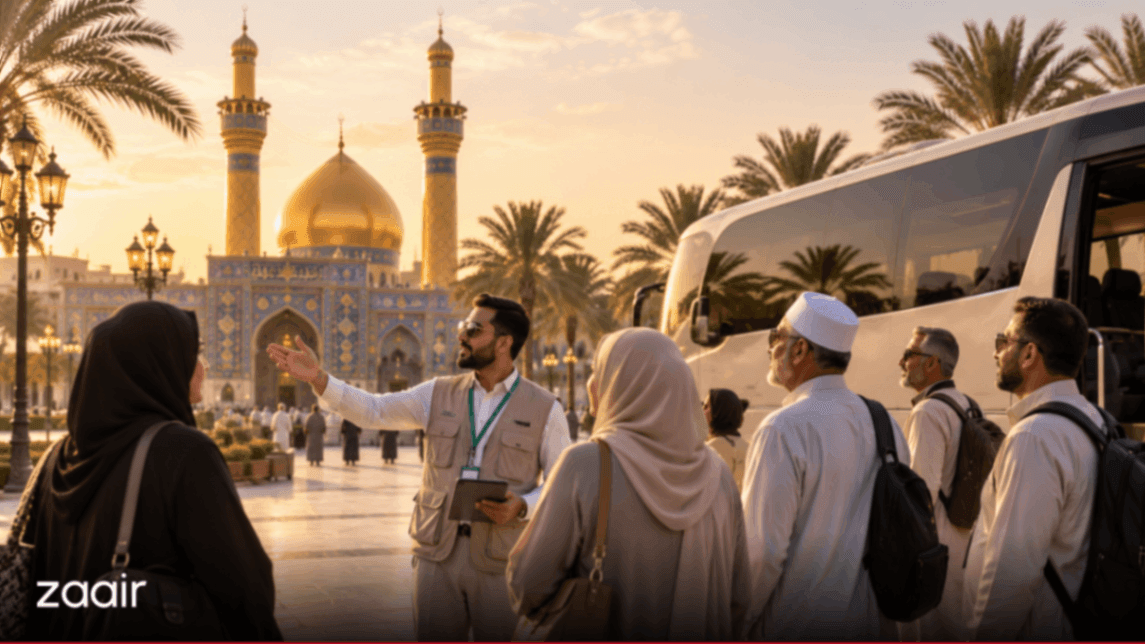
- Guided context: Visiting with a knowledgeable guide who can explain each location adds significant value. The physical markers within the mosque gain real meaning from someone who can connect them to the broader historical narrative in real time.
When Is the Best Time to Visit Masjid Kufa During an Iraq Tour?
Masjid Kufa receives pilgrims throughout the year, but the timing of visits can significantly affect the experience. The mosque becomes extremely crowded during major Islamic occasions, particularly during Arbaeen, the fortieth day after Ashura, when millions of pilgrims move through southern Iraq.
For pilgrims who prefer a quieter, more contemplative visit, travelling outside the peak commemoration periods allows more time and space at each site within the complex. The experience of standing in relative quiet at the martyrdom spot is very different from the same visit during intense crowd activity.
That said, visiting during a major commemoration carries its own power. The collective grief, prayer, and devotion of hundreds of thousands of pilgrims together in one city creates an atmosphere that some find overwhelmingly moving in a way that a quieter visit simply cannot produce.
How Does Masjid Kufa Fit Into a Broader Iraq Pilgrimage Itinerary?
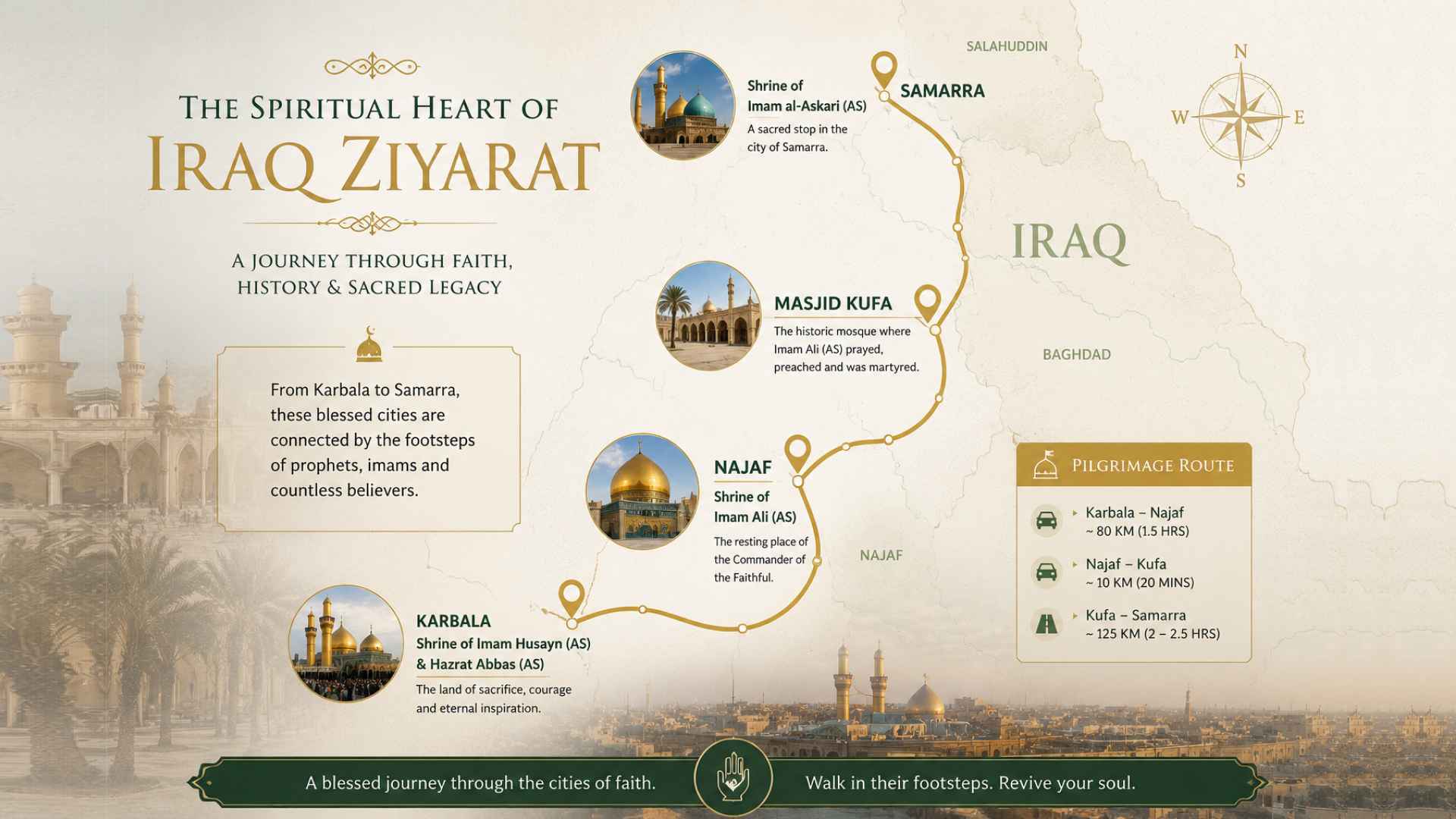
Masjid Kufa sits within easy reach of Najaf, which means it slots naturally into any itinerary that includes the shrine of Imam Ali. Most pilgrimage groups visiting Najaf include Masjid Kufa either on the same day or the following morning.
The typical southern Iraq pilgrimage circuit covers Karbala and the shrines of Imam Husayn and Abbas, Najaf and the shrine of Imam Ali, Masjid Kufa and Masjid Sahlah, and the shrine of Imam al-Askari in Samarra for those extending further north. Each site connects to the others through a continuous thread of historical and spiritual significance. Masjid Kufa is not a detour from that circuit. It is one of its essential stops.
Planning this kind of multi-city itinerary across southern Iraq is considerably easier with a dedicated travel partner who understands the pilgrimage routes, shrine etiquette, and local logistics. Zaair specialises in Iraq Ziyarat travel and handles flights, hotels, ground transfers, and guided access to holy sites so pilgrims can focus entirely on the spiritual experience rather than the logistics around it.
Conclusion
Masjid Kufa is not simply an old mosque in a historic city. It is a place where the events that shaped Islamic civilisation are still physically present in the ground, the architecture, and the atmosphere of the complex. Pilgrims who visit with knowledge and intention leave with something that stays with them long after the journey ends. For anyone planning an Iraq tour with a serious spiritual purpose, Masjid Kufa belongs on the itinerary not as an optional addition but as a site whose absence would leave the pilgrimage genuinely incomplete. For pilgrims who want to visit Iraq with a serious spiritual purpose, Masjid Kufa belongs on the itinerary not as an optional addition but as a site whose absence would leave the pilgrimage genuinely incomplete. Visiting Masjid Kufa often becomes one of the moments that defines their entire Iraq journey long after they return home. Whether you are travelling from the UK, the US, or anywhere else in the world, Zaair's Iraq pilgrimage packages are built around exactly this kind of meaningful, well-planned journey.
FAQs
Why is Masjid Kufa important in Islamic history?
Masjid Kufa is one of the oldest and most sacred mosques in Islam. It is closely connected to Imam Ali ibn Abi Talib, who governed and prayed there before his martyrdom.
What are the main places to visit inside Masjid Kufa?
Pilgrims usually visit the prayer niche of Imam Ali, the martyrdom spot, the shrine area of Muslim ibn Aqeel, the Prophet’s station, and nearby Masjid Sahlah.
How far is Masjid Kufa from Najaf?
Masjid Kufa is located only a few kilometres from Najaf, making it an easy and essential stop during a Najaf ziyarat visit.
How much time should pilgrims spend at Masjid Kufa?
Most pilgrims spend around two to three hours exploring the mosque complex, offering prayers, and visiting the important religious sites within the area.
When is the best time to visit Masjid Kufa?
Pilgrims can visit throughout the year, but quieter months outside major events like Arbaeen offer a more peaceful and reflective experience.