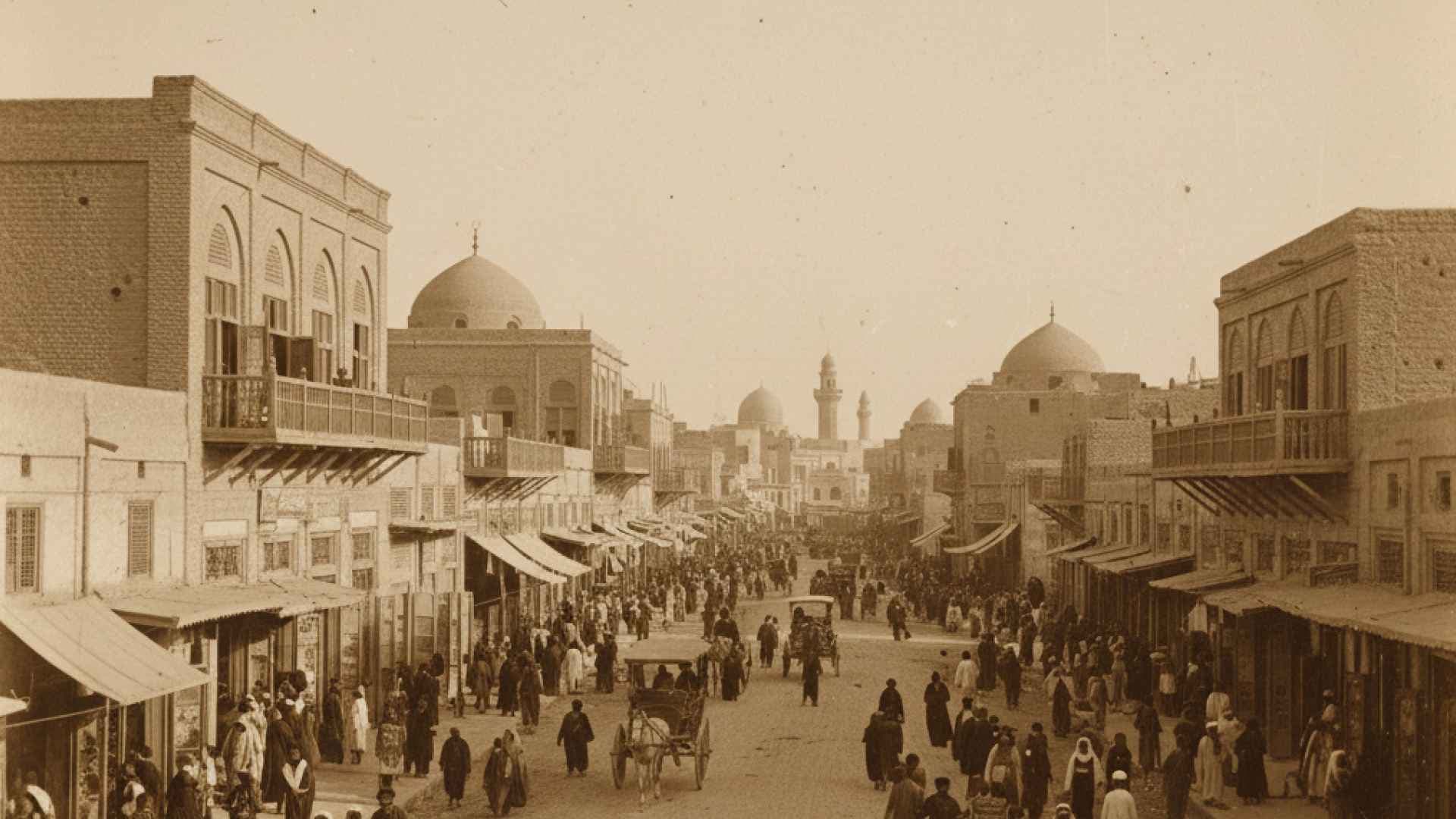

Najaf is one of the most important cities when you travel to Iraq. It is the resting place of Imam Ali and attracts millions of visitors every year. The city is also known for its sieges, moments where history and faith came together in a way that still shapes how people see it today. Najaf reflects both struggle and peace. People remember past hardships but come here seeking hope. The story of Najaf is not just about battles or politics. It is about what these events left behind in the memory of the people and how the city became a major pilgrimage center. Najaf is about culture, tradition, and the journey of visitors who fly to Najaf Iraq, to feel close to something greater.
The Siege of Najaf 2004
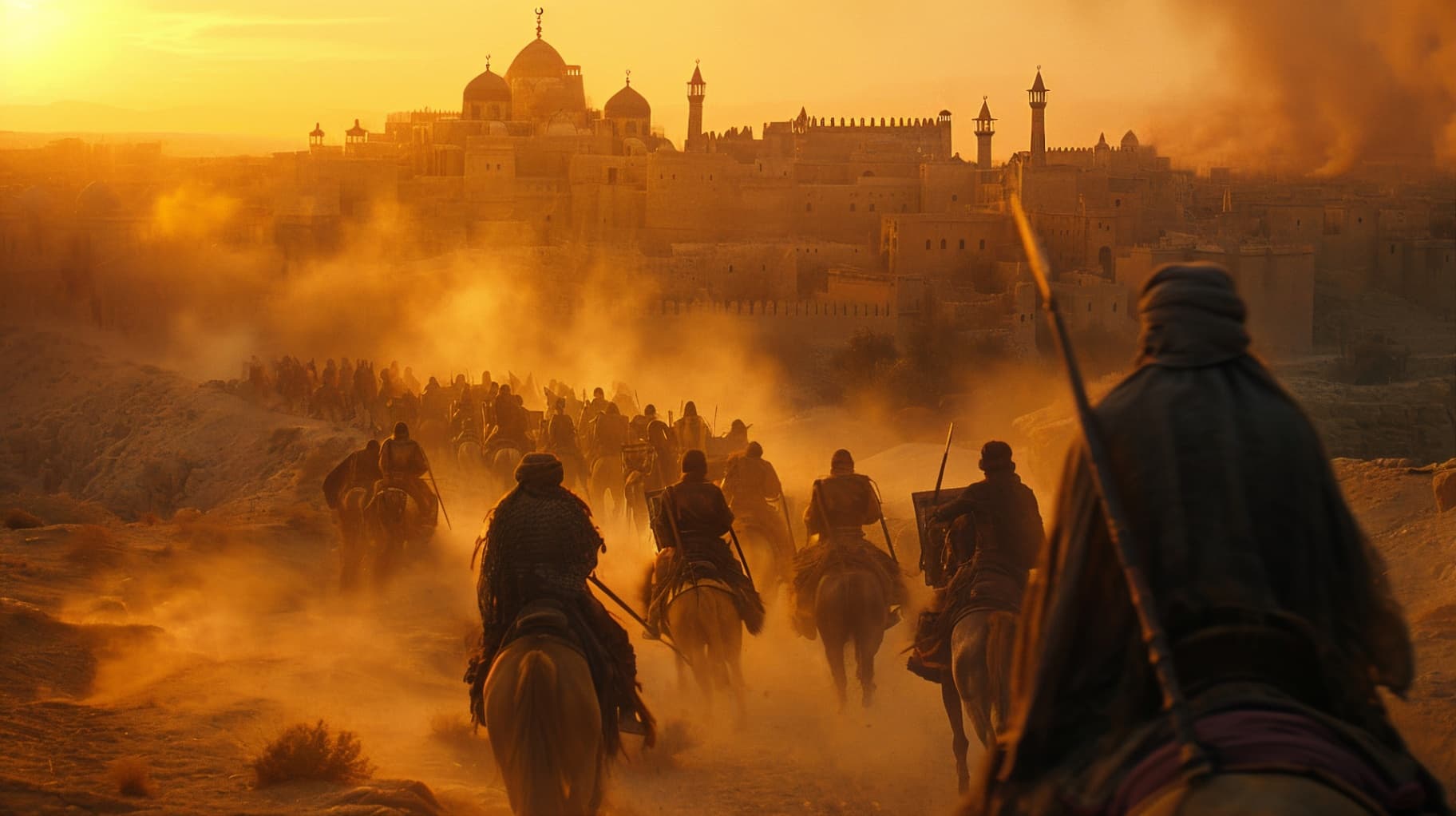
In 2004, Najaf became a battlefield. US-led coalition forces surrounded the city to fight the Mahdi Army, a militia loyal to Muqtada al-Sadr. The fighting near the shrine of Imam Ali was intense and thousands of citizens were trapped. Buildings and markets were damaged. The shrine itself was protected thanks to public pressure.
Resilience and Heart of Najaf
Communities shared resources and worked to protect the shrine. This legacy continues today. Locals welcome pilgrims as part of the city’s story.
The shrine of Imam Ali stayed at the heart of the city’s resilience. Even when roads were blocked, the shrine remained active.
Millions of pilgrims travel to Iraq every year to pray here. Some walk for days from cities like Karbala or Basra to Najaf.
How the Siege Shaped the City’s Identity
The siege tested Najaf’s ability to protect its people and its spiritual heritage. Unlike other historical sites in Iraq that suffered after wars, Najaf rebuilt itself stronger each time.
The siege reinforced the city as a protector of sacred history. The shrine of Imam Ali became a global focus for solidarity.
Local communities learned that endurance was part of their identity. Today, visitors see more than old walls. They walk through a city that carries its history of endurance.
Pilgrimage Routes and Connections
- Travel in Iraq often focuses on Najaf and Karbala. Many pilgrims visit both cities. Others start from Basra and follow old caravan routes to Najaf.
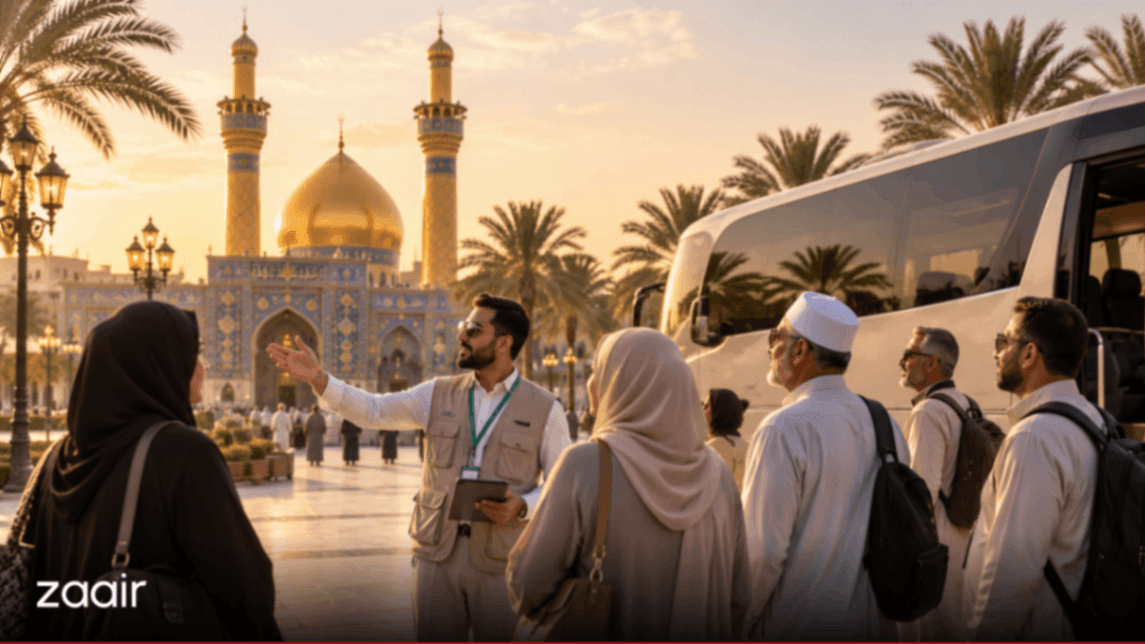
- Zaair helps travelers plan these routes so the journey connects with culture and history, not just moving from one city to another.
- Flying is the easiest way for international visitors. You can fly to Najaf Iraq, through Najaf International Airport, which connects with many regional hubs.
- Road travel from Basra to Najaf takes about six to seven hours. These routes keep pilgrimage a living tradition.
- Travelers move through a series of holy places, following paths used for centuries.
Staying in Najaf
Hotels in Najaf range from modern to traditional. Some are near the shrine for easy access at any hour. Others are in quiet areas, offering space for reflection after a long day. Hospitality is a strong part of Najaf’s character. Even on busy streets, visitors often find calm spaces. This welcoming spirit helps keep pilgrimage alive.
Najaf as a Center of Learning
- Religious schools in Najaf have produced respected Islamic scholars. After the siege, these schools helped restore stability.
- Najaf is not only a battleground but also a place for dialogue and education. Students from different countries come here to learn.
- Visitors see that Najaf is more than a shrine. It is a place where knowledge is preserved, shared, and debated.
Interesting Facts About Najaf and Iraq
- Najaf has the world’s largest cemetery, Wadi al-Salam, which covers several square kilometers. It is called the intellectual heart of Shi’a Islam.
- The route from Basra to Najaf is one of the oldest pilgrimage paths. The city’s libraries hold manuscripts centuries old.
- Many hotels in Najaf have prayer spaces for pilgrims. These details show that Najaf is still creating history and why it ranks among Iraq historical sites.
Modern Challenges and Continuity
Najaf faces modern challenges like infrastructure, tourism management, and preserving heritage. The city adapts with new hotels and improved roads. The airport now connects to more destinations. Despite these changes, Najaf keeps its spiritual core. Pilgrims still walk the same paths. Locals tell stories of sieges and survival. Visitors leave with memories that mix past and present.
Planning Your Visit
Book hotels in Najaf early during peak pilgrimage seasons. Respect local customs near the shrine. Explore beyond the shrine, including libraries and Wadi al-Salam. If coming from the south, the road from Basra to Najaf is a traditional route with its own charm. Travel to Iraq requires preparation, but every step connects you with centuries of devotion and resilience.
Want to visit the world’s largest cemetery? Read about its history: What Is the History Behind Wadi Al Salaam, the World’s Largest Cemetery?
Conclusion
The siege of Najaf was a moment of hardship that shaped the city’s identity. Najaf stands as a place where endurance and belief meet. Visitors find more than history. The city offers devotion, learning, and hospitality. With Zaair, travellers experience Najaf in a way that respects its culture and history. Whether flying to Najaf, Iraq, or coming from Basra to Najaf, the journey connects visitors with a living city that welcomes every pilgrim.
FAQs
Can Non-Pilgrims visit Najaf?
Yes. Najaf welcomes anyone interested in history, culture, or learning. You can explore libraries, markets, and historic neighborhoods beyond the religious sites.
How far is Basra to Najaf by road?
The distance is about 400 kilometers and takes six to seven hours by car or bus. The route passes towns, desert landscapes, and traditional markets.
Are hotels in Najaf suitable for international visitors?
Yes. Many hotels in Najaf offer modern amenities. Some are near the shrine, others in quieter areas.
What should I expect when I fly to Najaf Iraq?
Najaf International Airport handles regional flights. Immigration is usually straightforward, but expect longer lines during pilgrimage seasons.
How does Zaair support travelers in Najaf?
Zaair plans cultural and historical visits, arranges logistics, and gives context to sites. They ensure travelers connect with Najaf’s history and culture.