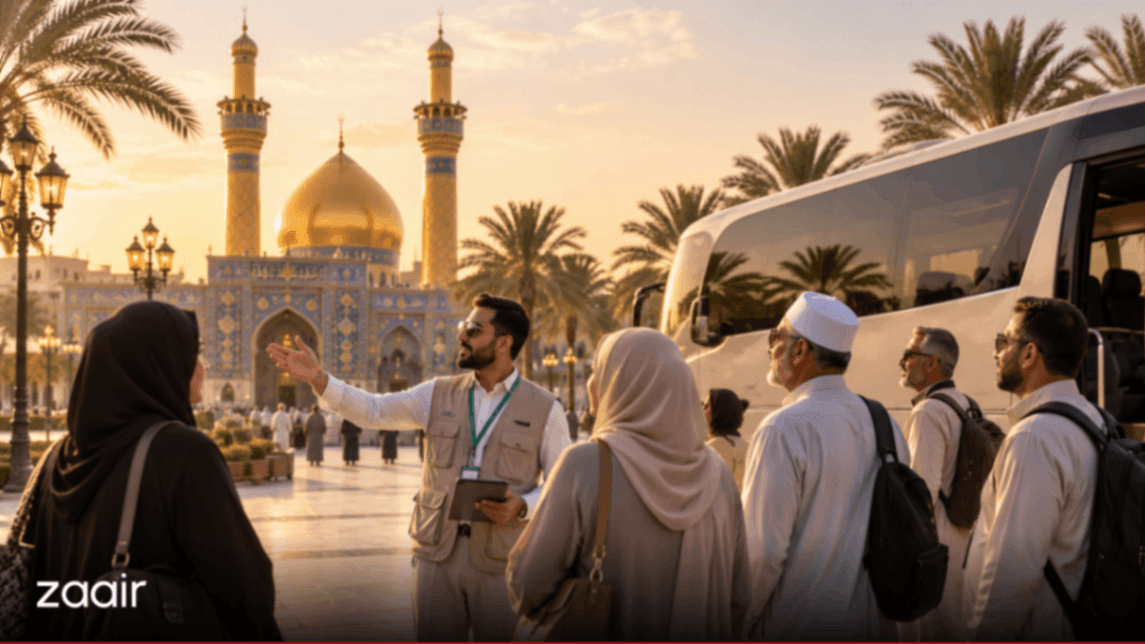
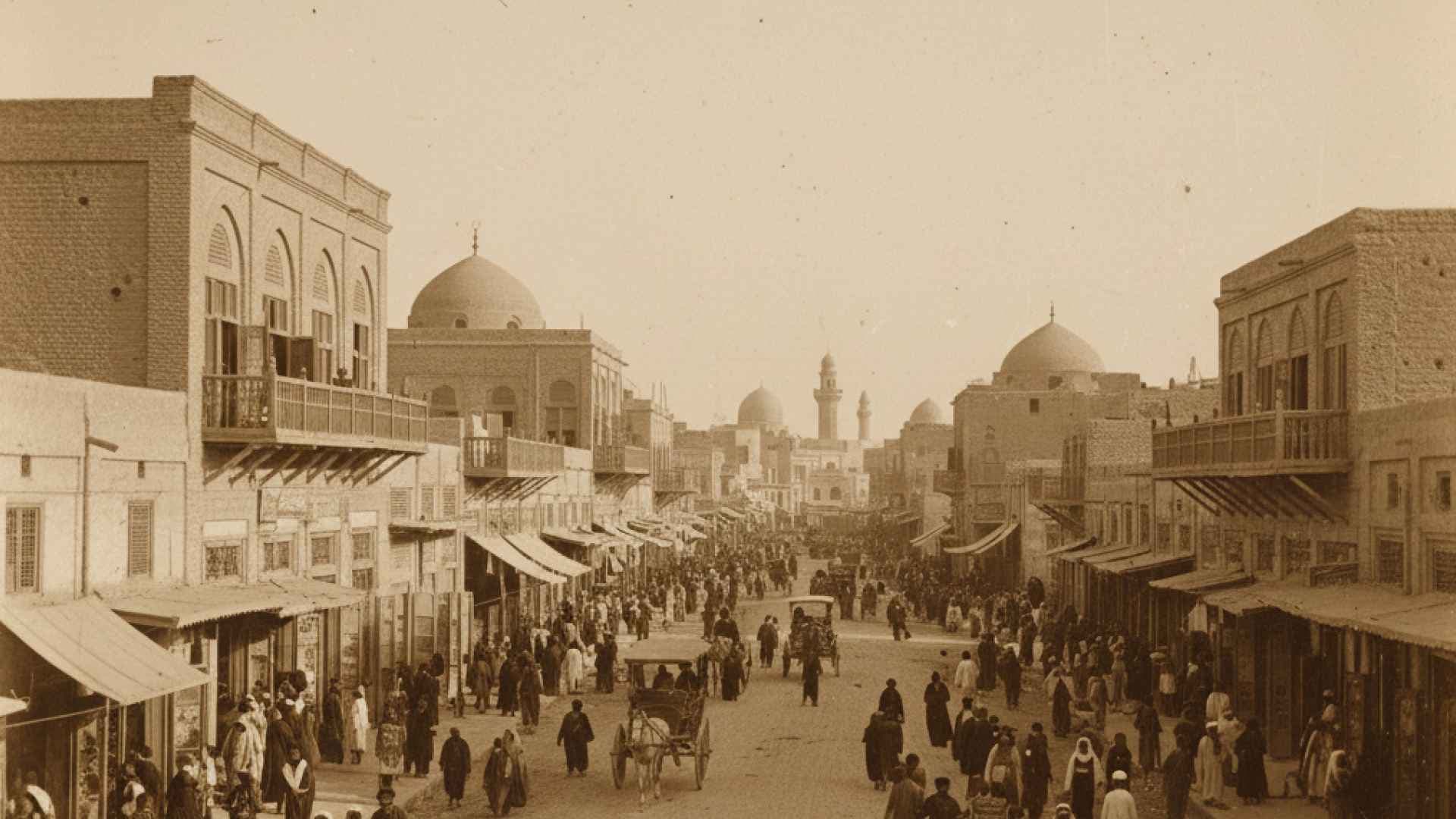

Every year millions of people walk towards Karbala in Iraq for Arbaeen. It is one of the largest gatherings in the world. Pilgrims come from the world, arriving with an intense desire to honor Imam Hussain, the grandson of Prophet Muhammad (PBUH), who was martyred in Karbala over 1400 years ago. For many, the pilgrimage starts long before departure, with months of preparation. The journey is spiritual, physical, and emotional. People look for flights to Iraq, arrange an Iraq pilgrimage visa, and choose the best hotels in Karbala Iraq. Some pilgrims also choose the Karbala tour package while others travel independently.
This blog takes you through the Arbaeen pilgrimage guide, covering everything from preparation and arrival to the spiritual journey on foot and the moving experience of reaching Imam Hussain’s shrine.
Preparing for the Arbaeen Pilgrimage
Attending Arbaeen is a deeply meaningful experience that also requires practical planning due to the large number of pilgrims traveling to Iraq. Making arrangements in advance helps avoid difficulties and allows pilgrims to focus on the spiritual purpose of the journey, including travel, visa, and accommodation preparations.
Travel Planning
One of the first activities in the preparation of Arbaeen is travel planning. In the season, flights to Iraq are also increased in order to address the high number of pilgrims and Najaf is usually favored due to its proximity to Karbala. With the increased demand for travel, advance booking will help to avoid high prices and scarcity of tickets. Pilgrims usually make bookings to Iraq in advance so as to get a comfortable travelling experience. A few also choose group packages, including flights, domestic transportation, and accommodation, like a Karbala tour package, which would make the entire experience lighter and stress-free.
Visa Arrangements
A valid Iraq pilgrimage visa is required for pilgrims travelling from abroad. The authorities tend to provide some facilitation measures during Arbaeen and other nationalities might be offered a visa-on-arrival, whereas others have to apply at the embassies. Travel groups frequently assist with documentation to ensure all requirements are met, helping pilgrims cross borders without any complications.
Accommodation Options
As Karbala becomes extremely crowded, arranging a place to stay in advance is highly recommended. Best hotels in Karbala Iraq fill quickly, so early booking is very important. Those pilgrims who have limited resources tend to stay in guesthouses or shared spaces which are arranged by volunteers, and those who walk between Najaf and Karbala enjoy mawkibs which are rest and food stations where basic facilities are provided on the way.
The Spiritual Journey Toward Karbala
The journey to Karbala during Arbaeen is more than travel it is a path filled with faith, unity, and commitment. Every step, from arrival in Iraq to the walk itself, reflects sacrifice, service, and love for Imam Hussain (AS).
Arrival and Atmosphere in Iraq
- As pilgrims arrive in Iraq, they immediately sense a spiritual atmosphere shaped by millions traveling with shared purpose.
- Airports welcome people from different continents, all united by one destination and a common goal.
- Buses, taxis, and vans operate constantly, carrying pilgrims toward Najaf and Karbala throughout the day and night.
- Streets decorated with banners and flags, along with strong security and warm hospitality, create reassurance for visitors.
The Walk and Support on the Route
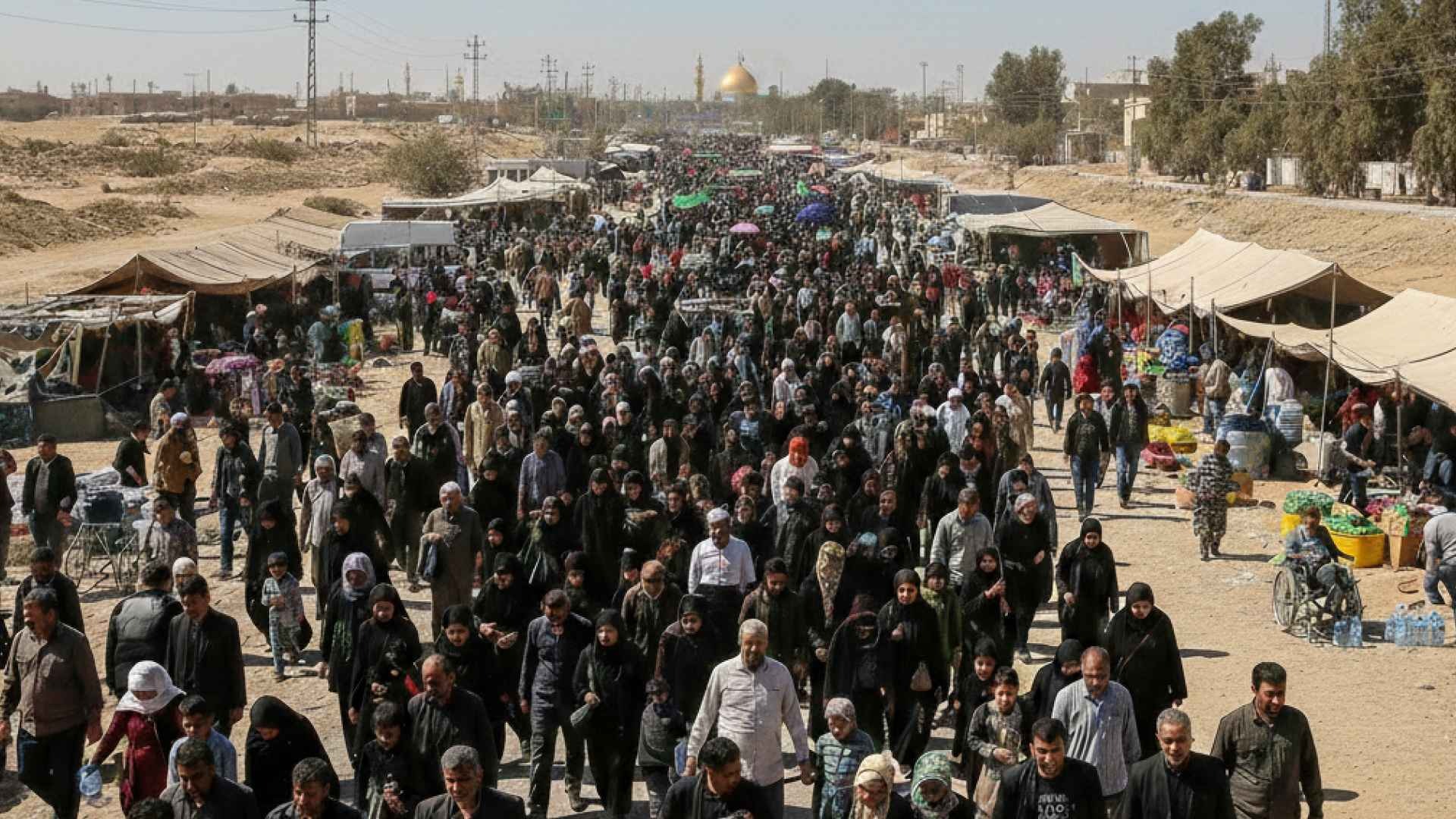
- The walk from Najaf to Karbala spans nearly eighty kilometers and represents the most meaningful part of the pilgrimage.
- The pilgrims make the trip in a timeframe of three days and depending on their strength and stamina they speed up or slow down.
- There are numbered poles on the highway that direct travelers and assist them to know their location towards the holy city.
- Mawkibs are found along the road giving free meals, water, sleeping spaces, and medical services as a service and kindness.
The Warmth and Hospitality of Arbaeen
One of the most unforgettable aspects of Arbaeen is the extraordinary hospitality shown by the people of Iraq. Families open their doors, stores and even the streets, to accept pilgrims of all parts of the world. Fresh meals are served at cooking stations, dates, and sweets are distributed by the children and local doctors provide medical services. Donations are made by farmers, and each, regardless of their wealth, contributes in some manner. This culture of selfless service is deeply rooted in love and respect for Imam Hussain, with every act reflecting the belief that pilgrims are honored guests.
During the journey, the spirit of generosity continues along the route from Najaf to Karbala. Pilgrims gather in tents and halls to share meals prepared in large pots, exchanging simple yet meaningful conversations that go beyond language and nationality. Sleeping arrangements are equally thoughtful, with mats, blankets, or even open-air spaces provided freely for rest. The fatigue of the long journey is softened by these gestures of kindness, creating a sense of unity and connection that is as powerful as the pilgrimage itself.
Arriving and Experiencing Karbala
Reaching Karbala marks the final stage of the Arbaeen pilgrimage, where the long journey meets the powerful presence of Imam Hussain’s shrine. Pilgrims experience a mix of emotions, including tears, gratitude, and quiet thought, as they enter the city, perform ziyarat, and participate in religious gatherings. The city transforms into a living display of devotion, with streets full of people, volunteers offering guidance, and shared acts of service that strengthen the sense of unity and faith.
- As pilgrims approach, the golden domes of Imam Hussain’s shrine appear, filling hearts with wonder and deep emotion.
- The streets of Karbala are crowded with visitors, guided by organized security and volunteers to reach the shrine safely.
- At the shrine, pilgrims touch the zarih, recite prayers, or sit quietly, absorbing the spiritual atmosphere.
- Close to the main shrine, the shrine of Hazrat Abbas is visited to honor the bond between the brothers and remember their loyalty and sacrifice.
- The city provides accommodation and shared meals, while religious gatherings, lectures, and recitations help pilgrims connect with Imam Hussain’s message of justice and truth.
For a deeper look at the traditions and rituals of this sacred time, see: How Are the Rituals, Traditions, and Spiritual Practices of Ashura Observed Throughout Iraq?
Reflections and Memories from the Journey Home After Arbaeen
Returning from Karbala is a time of deep reflection and spiritual awareness. Pilgrims carry with them not only memories of the long and challenging walk but also the warmth and generosity of the local communities, the bonds formed with fellow travelers, and the profound moments of devotion at the sacred shrines. Traveling back can be exhausting as flights, buses, and other transport options are often crowded during this peak season, making careful planning essential. Beyond the physical journey, this return is also an emotional and transformative experience. Pilgrims often feel a renewed sense of patience, unity, and devotion, taking with them the lessons and spiritual insights that the pilgrimage has offered, which continue to resonate long after leaving the holy city.
Conclusion
The Arbaeen pilgrimage is a life-changing journey that combines walking, faith, and prayer, as pilgrims travel from Najaf to Karbala, experience the kindness of the people in Iraq, and visit the shrines of Imam Hussain and Hazrat Abbas. When returning home, pilgrims carry unforgettable memories of devotion, unity, and reflection that stay with them forever. Zaair helps make this journey easier and stress-free by assisting with flights to Karbala Iraq, Iraq pilgrimage visas, the best hotels in Karbala Iraq, and Karbala tour packages. By taking care of all travel arrangements, Zaair allows pilgrims to focus on their spiritual experience, making every moment from arrival to departure safe, organized, and meaningful.
FAQs:
When is Arbaeen celebrated and how long does the pilgrimage last?
Arbaeen is observed forty days after Ashura, commemorating Imam Hussain’s martyrdom, with the walk from Najaf to Karbala typically taking 2 to 4 days.
Do pilgrims need a visa to travel to Iraq for Arbaeen?
Yes, most international pilgrims require an Iraq pilgrimage visa. Some nationalities are eligible for a visa-on-arrival, while others must apply in advance through embassies.
What accommodation options are available in Karbala during Arbaeen?
Pilgrims can choose from hotels, guesthouses, or volunteer-run halls. Early booking is recommended due to high demand, and mawkibs provide temporary facilities along the walk.
How does Zaair assist pilgrims during the Arbaeen journey?
Zaair helps with flight bookings, visa arrangements, hotel reservations, and tour packages, ensuring all travel planning is smooth and stress-free.
What should first-time pilgrims expect during the walk from Najaf to Karbala?
They can expect an 80-kilometre walk through supportive communities, with mawkibs offering food, rest, and medical care, and a deeply spiritual and emotional experience at the shrines