
One of the major events in Iraq is Ashura, in remembrance of the sacrifice of Imam Hussain (AS) which defines the identity of the community and religious faith. The rituals and traditions of Ashura give a powerful glimpse into faith, history, and resilience.
Observed on the 10th day of Muharram, the first month of the Islamic lunar calendar, Ashura marks the martyrdom of Imam Hussain ibn Ali (AS) the grandson of Prophet Muhammad (PBUH), at the Battle of Karbala in 680 CE. The story of Karbala has endured for centuries as a symbol of sacrifice, resistance against injustice, and steadfast faith. Such themes can be seen in the ceremonies and practices still followed across Iraq today.
Global Significance of the Day of Ashura Overview
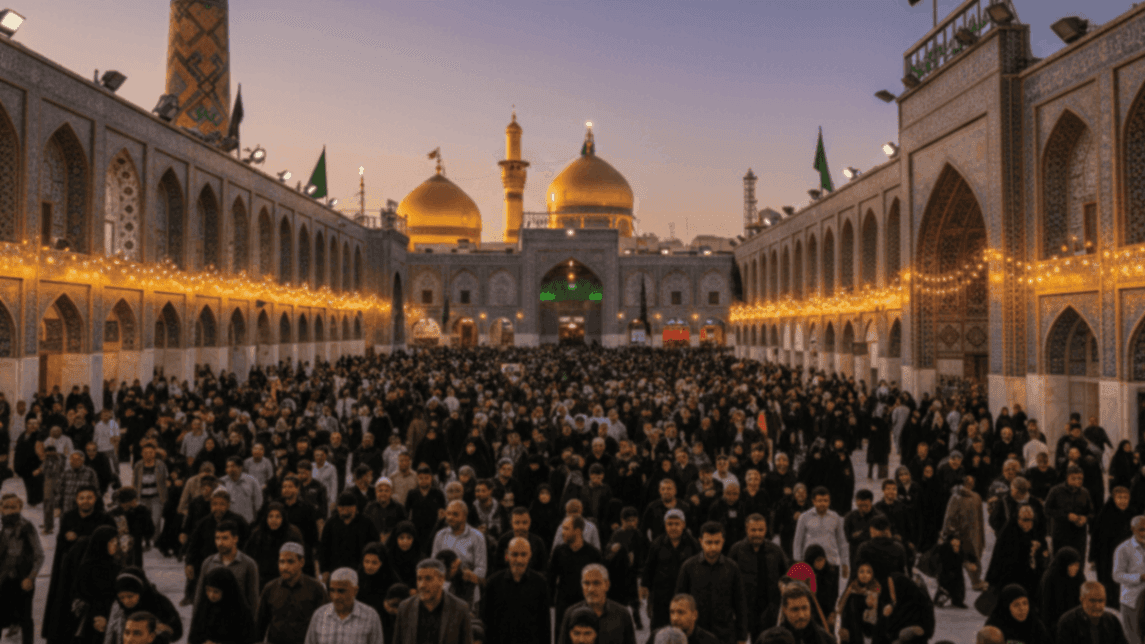
For Shia Muslims especially in Iraq Ashura is not just a historical event but a living spiritual legacy. The holy city of Karbala is visited each year by millions of pilgrims and mourners, people who come to visit the shrines of Imam Hussain (AS) and the shrines of Hazrat Abbas AS), which become the epicentre of reflection and grieving.
This spiritual journey is one of the most significant experiences on Iraq tour itineraries and especially on a luxury iraq group tour. Travellers can take guided visits to the shrines that are respectful, meaningful, and rich in cultural understanding. The commitment to remembrance transforms the city into a tapestry of black banners, processions, and devotional gatherings.
Pilgrimage and Majalis: The Heartbeat of Ashura
Pilgrimage to the Shrines
A central part of Ashura in Iraq is the pilgrimage to Karbala’s Imam Hussain Shrine. Pilgrims come from across Iraq and beyond, often walking long distances in the heat to pay their respects. The pilgrimage shows collective devotion and unity that goes beyond social or political boundaries.
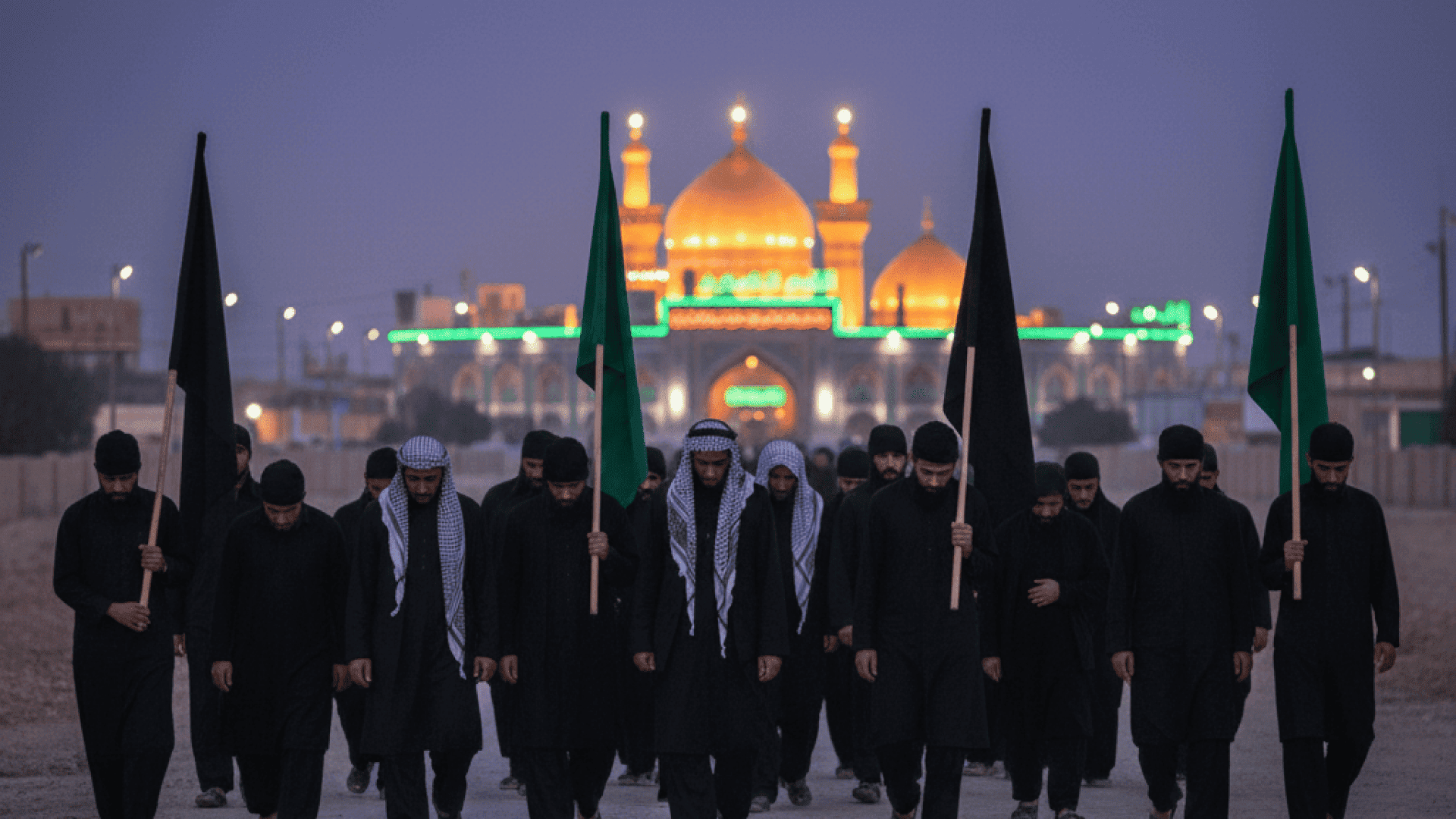
In Karbala, pilgrims perform Ziyarat Ashura for a special prayer that remembers the tragedy of Karbala and reinforces faith in justice and sacrifice. This practice strengthens ties to Imam Hussain’s legacy and helps visitors understand the emotional and spiritual depth of Ashura.
Majalis (Mourning Gatherings)
During Muharram peaking on Ashura the communities hold mourning gatherings referred as majalis in the Mosques. These meetings include reading of elegies, reciting of the story of Karbala and preaching where the bravery of Imam Hussain against tyranny is emphasized.
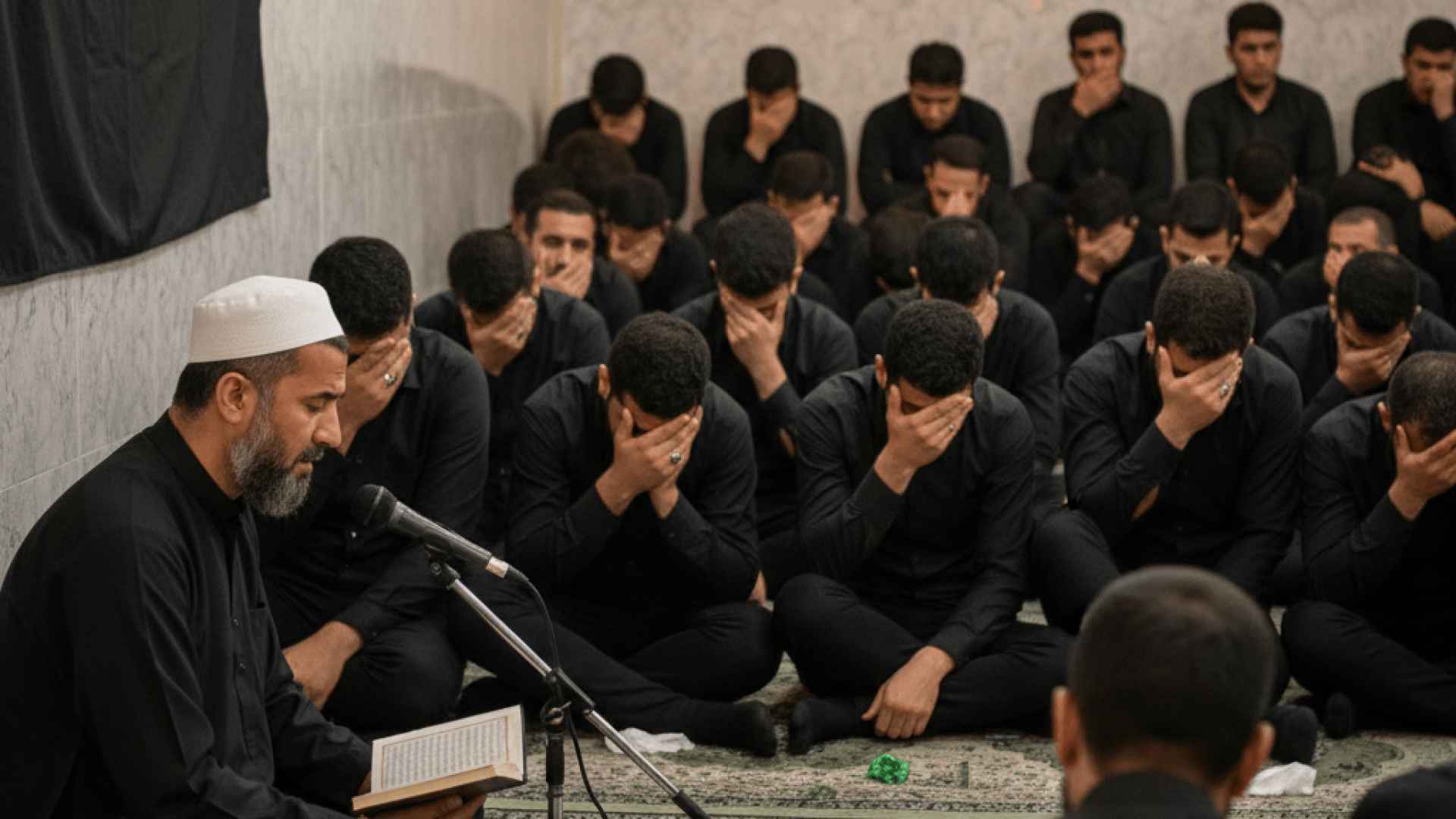
Attending majalis offers insight into how Iraqis remember and interpret their sacred history, blending poetic lamentation with spiritual reflection.
Ritual Processions and Symbolic Acts of Mourning
Across Iraqi cities and towns, Ashura’s public rituals show community devotion and faith.
Alam and Zuljanah
During processions, participants carry alams, ceremonial banners topped with symbols like the Panja that represent the family of the Prophet. These banners show loyalty to Imam Hussain and move through the streets of cities such as Karbala and Najaf.
Zuljanah, Imam Hussain’s revered horse, is another symbol. Legend says Zuljanah returned alone to the tents after Karbala, its empty saddle a reminder of loss and loyalty. In processions a living or symbolic Zuljanah is decorated and paraded. Mourners pray or touch it to show respect.
Husseini Marches and Torch Rituals
In places like Babil’s Al-Qasim, Ashura includes Husseini marches with rhythmic chest-beating and torch ceremonies that light up the streets at night. Young men carry flaming torches while chanting to honor Karbala’s tragedy.
For iraq group tour that coincides with Ashura, witnessing these vibrant processions offers a unique opportunity to observe the intersection of devotion, tradition, and cultural expression.
Mourning Culture Beyond Karbala
Ashura’s influence extends beyond the holy city into neighborhoods, villages, and Iraq’s major urban centres like Baghdad, Najaf, Basra, and Kut.
Local Mourning Councils
Across Iraq, families and neighbourhood groups host mourning councils, especially among women, where communities gather daily during Muharram to recite poetry, pray, and support one another in grief. These gatherings known locally as Qarayat al-Niswan, preserve inherited rituals and reinforce social bonds.
Mourning Tents and Civic Participation
In both rural and urban settings, residents erect mourning tents (mawajid) outside homes and businesses. Here, believers recite mourning lamentations, reflect on Husayn’s sacrifice, and welcome passers-by to join in prayer or remember the events of Karbala.
This widespread participation highlights how Ashura permeates daily life in Iraq a dimension that visitors on Iraq tour itineraries often find deeply moving.
Spiritual Practices: Prayer, Fasting, and Charity
While mourning rituals dominate Ashura, other spiritual practices show the day’s wider Islamic significance.
Prayer and Dhikr: Mosques and prayer spaces across Iraqi cities fill with worshippers reciting the Quran, performing dhikr, and making supplications. These gatherings encourage reflection on Imam Hussain’s virtues and trials and highlight patience, justice, and devotion.
Fasting and Reflection: Fasting traditions vary and some Muslims fast on Ashura to show gratitude and remember history, while others focus on reflection and spiritual remembrance rather than formal fasting.
Charity and Community Service: Charity is central to Ashura. Communities distribute free food and water to pilgrims and those in need. Hosting free meals in Mawajid is a valued practice and a key part of Ashura’s spirit.
Experience Ashura in Iraq
Visiting Iraq during Ashura gives travellers a chance to witness a tradition that goes beyond religion. It is a story of resilience, sacrifice, and community.
Zaair offers Ashura-focused tours with guided visits to Karbala’s holy shrines and expert commentary. Travellers can attend majalis and processions with cultural context and meet local scholars to learn more about Ashura’s spiritual significance. Zaair also provides comfort-oriented arrangements during peak pilgrimage times and handles services like flights, visas, and travel support.
These experiences let travellers witness Ashura respectfully while gaining cultural and spiritual insight.
Travel Tips for Visitors During Ashura
When experiencing Ashura, respectful engagement is essential:
- Dress modestly in darker colours to reflect the solemn nature of the occasion
- Follow local guidance at shrines and processions, ask if unsure.
- Observe quietly during prayer, majalis, and processions unless invited to participate.
- Photographers thoughtfully respect the emotions of mourners and cultural norms.
By approaching Ashura with sensitivity, visitors can gain profound insights into Iraqi religious life without disrupting sacred practices.
How Muslims Observe Ashura Today?
Ashura is observed by Muslims all over the world in order to make their faith stronger and evaluate their deeds. They pray, donate charity, do good things and repent. These actions are thought to be more rewarding since Muharram is a sacred month.
Sunni and Shia Muslims usually observed Ashura through fasting, praying and expressing gratitude. They focus on remembering sacrifice, thinking about injustice, and recognizing the importance of standing up for truth.
Conclusion
Ashura in Iraq is more than a historical event. It is a living tradition of faith, culture, and community devotion. Pilgrimages to Karbala, majalis, processions, and acts of charity all keep the memory of Imam Hussain alive. These rituals show the resilience, sacrifice, and spiritual strength that continue to shape millions of lives. Visitors who witness Ashura can gain insight into Iraq’s history and a deeper understanding of its people. The experience goes beyond sightseeing, offering a glimpse into collective memory, shared devotion, and the enduring spirit of those who honor Imam Hussain’s legacy.
FAQs
What is Ashura and why is it important in Iraq?
Ashura falls on the 10th day of Muharram, It marks the martyrdom of Imam Hussain at Karbala. In Iraq, it is a time for spiritual reflection, community gatherings, and cultural rituals.
How do people in Iraq observe Ashura?
People visit Karbala, attend majalis or mourning gatherings, join processions, pray, and give to charity. These practices honor Imam Hussain’s sacrifice and strengthen faith and community bonds.
What are majalis?
Majalis are communal gatherings with poetry recitations, sermons, and stories about Karbala. They help people reflect on moral lessons and spiritual devotion.
What should visitors know before attending Ashura events?
Visitors should dress modestly, follow local guidance, observe quietly, and take photographs respectfully to honor cultural and religious norms.
Why do pilgrims go to Karbala during Ashura?
Karbala is the site of Imam Hussain’s shrine. Pilgrims visit to pray, perform Ziyarat Ashura, and connect with the history and teachings of Karbala.