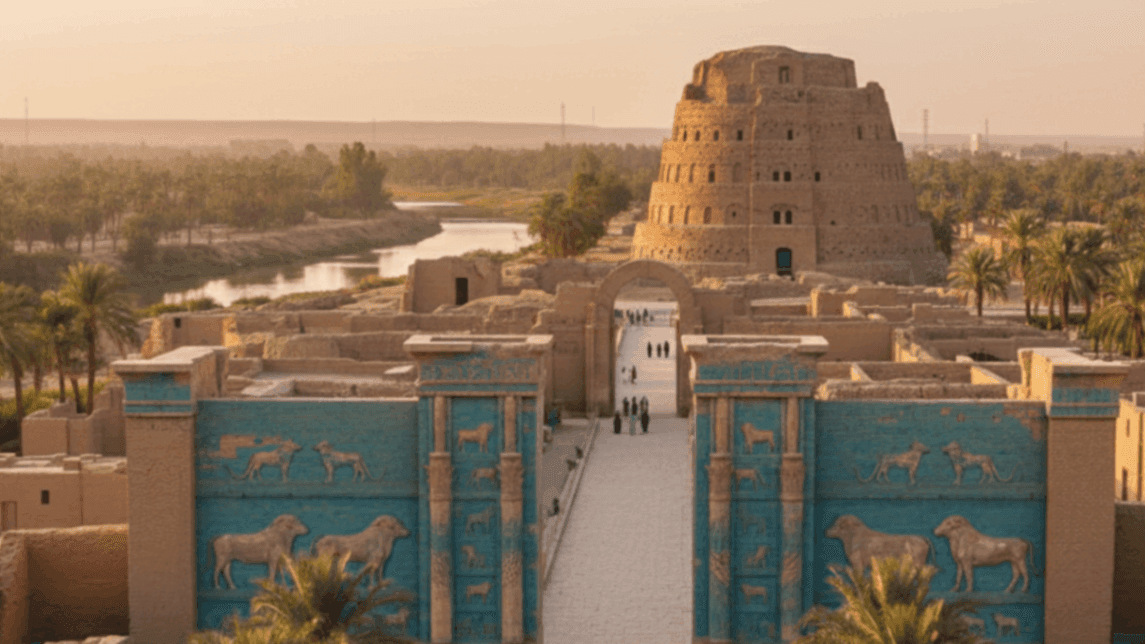


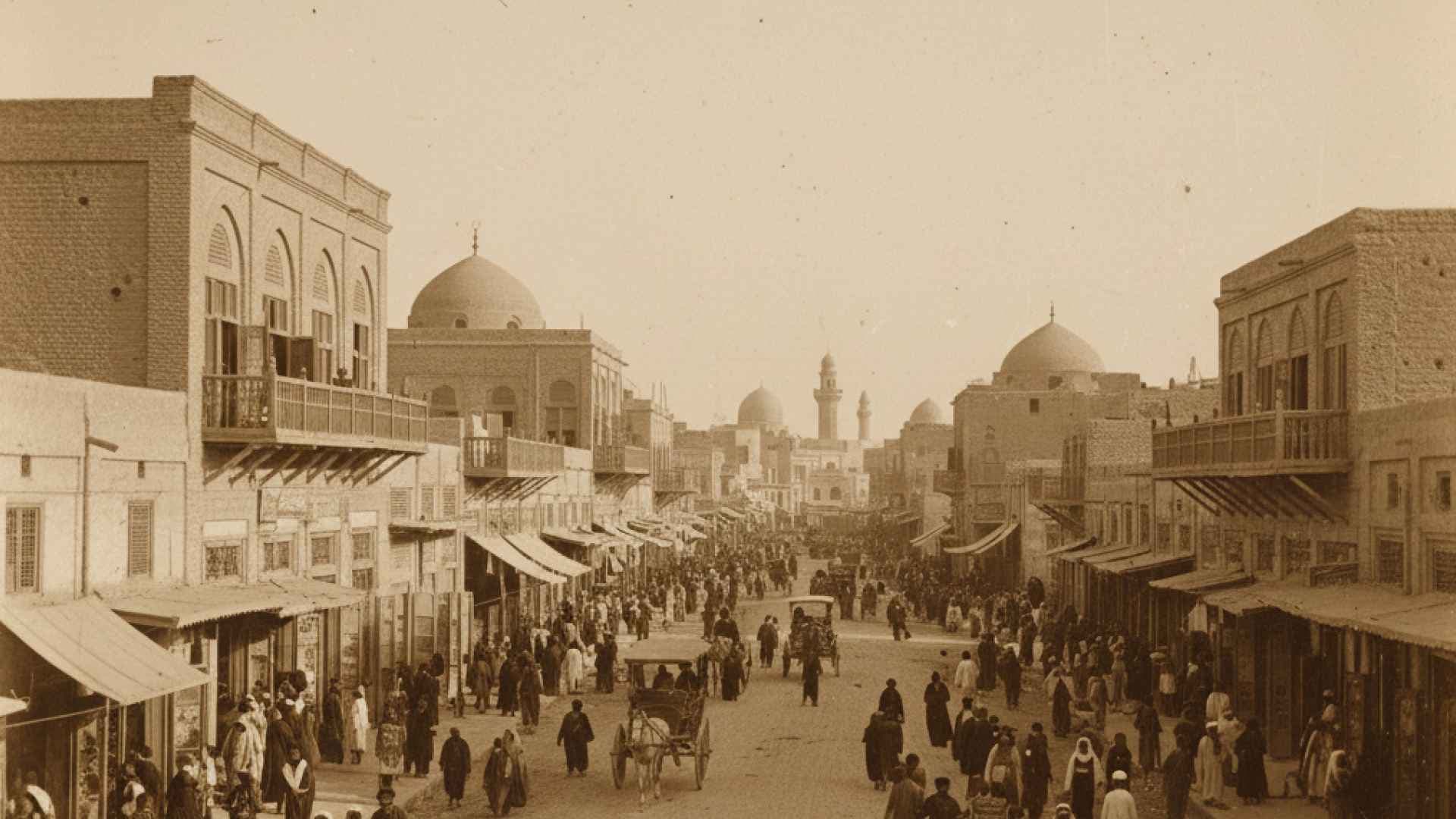

Babylon is more than an ancient city it symbolizes human ambition, creativity, and knowledge. Located between the rivers of the Euphrates and Tigris in present-day Iraq, it began as a small settlement and developed into one of the most powerful cities of the pre-modern period. Babylon, with its beautiful architecture, monumental walls and gardens, and great rulers were also made some contributions to the world of mathematics, astronomy, literature and law. Its history displays the success and failure of a great civilization and the contribution it has made to the cultural and artistic life and the eternal search of mankind for comprehension.
Ancient Babylon: Birthplace of Civilization in Mesopotamia
The first structured human societies were developed in Mesopotamia, which was sometimes referred to as the Cradle of Civilization. The fertile plains between the rivers Tigris and Euphrates enabled ancient societies to cultivate, engage in trading and construct settlements. In this colorful scenery, Babylon emerged as a great city-state, having power due to its convenient position, political invention, and cultural vision.
- Controlled major trade routes and river access, ensuring long-term economic growth and prosperity for the city and surrounding regions.
- Grand temples dedicated to Marduk, the city’s principal god, became influential religious and cultural centers that attracted pilgrims and scholars.
- Flourished as a hub of art, literature, architecture, and urban planning, showcasing creativity and innovation unmatched in the ancient world.
- Developed advanced legal, administrative, and governance systems that shaped societal order and influenced future civilizations for centuries.
How Babylon Evolved into a Powerful City-State
Babylon started as a small village and gradually expanded its power over centuries. Its early history, according to archaeological and historical documents dates to the Akkadian and Sumerian periods, but it was only comparatively insignificant until the beginning of the second millennium BCE. It has expanded over the years to become a major city that is based on a conglomeration of strategic position, political organization that evolved, and increasing religious power.
The actual domination of the city started when Hammurabi took the throne and his leadership changed the fate of Babylon. He made the city a political powerhouse by bringing a large part of Mesopotamia under the Babylonian rule. Administrative reforms as well as the development of an organized system of law strengthened central power and social order. The Code of Hammurabi especially formalized the regulations of justice and everyday living. This marked Babylon’s transition from a small village into a model of ancient governance and political organization.
Read our blog: The Mesopotamian Heritage: How Iraq Shaped World Civilization, to see how ancient Mesopotamia influenced the world.
Kings, Conquests, and the Glory of Babylon
The emergence of Babylon as a great nation was highly influenced by the powerful rulers who shaped the history of the city with their ambitions and vision. After Hammurabi, the city experienced phases of downfall and restoration, but the most outstanding restoration was seen during the reign of Nebuchadnezzar II. The ancient world had produced Babylon, one of the most beautiful and powerful cities of the ancient world under its reign.
Through ambitious military campaigns, Nebuchadnezzar II extended Babylon’s influence across vast territories while channeling immense resources into monumental construction. The prosperity and power of the city were manifested in towering defensive walls, grand ceremonial gates, lavish palaces, and ornate temples. These architectural works showed power and sophistication and made Babylon a strong icon of imperial authority. The city was a prosperous political, economic, and cultural hub during its peak, which would have a resonating effect in history.
Science, Mathematics, and Literature of Babylon
Babylon was not only a political and military power but also a major intellectual center where learning and scholarship thrived. Scholars invented structured bodies of knowledge that transformed mathematics, astronomy and written tradition over centuries. Their writing is one concerned with a society that is obsessed with observation, record keeping and the study of the natural world and the human condition.
These schools of thought developed practical systems that are still applicable today. Babylonian intellectuals combined scientific inquiry and philosophical wisdom. They used this knowledge to demonstrate that the city was defined by culture and learning, which were its fundamental pillars.
How Does Babylon Influence Art, Literature, and Society Today?
The ideas and cultural practices of Babylon went on to influence societies well after the city started to lose its political influence. Later civilizations took their ways of approaching science, creativity and storytelling and developed them, leaving a permanent trace in human history.
- The base-60 number system of Babylon is still used today in counting time and in angular measurements, and is used in the calculation of hours, minutes, and seconds.
- Fine astronomical observations helped Babylonian scholars trace the sky objects and cyclic formations, which led to initial scientific knowledge of the universe.
- The literature of the Babylonians covered eternal themes of mankind, including morality, emotion, and purpose, most evident in literature such as the Epic of Gilgamesh.
- The art, architectural ideas, and symbolic stories that began in Babylon made their way into other cultures and can still be found in contemporary literature, religious texts, and popular media.
Were the Hanging Gardens of Babylon Real, Legendary, or Just a Myth?
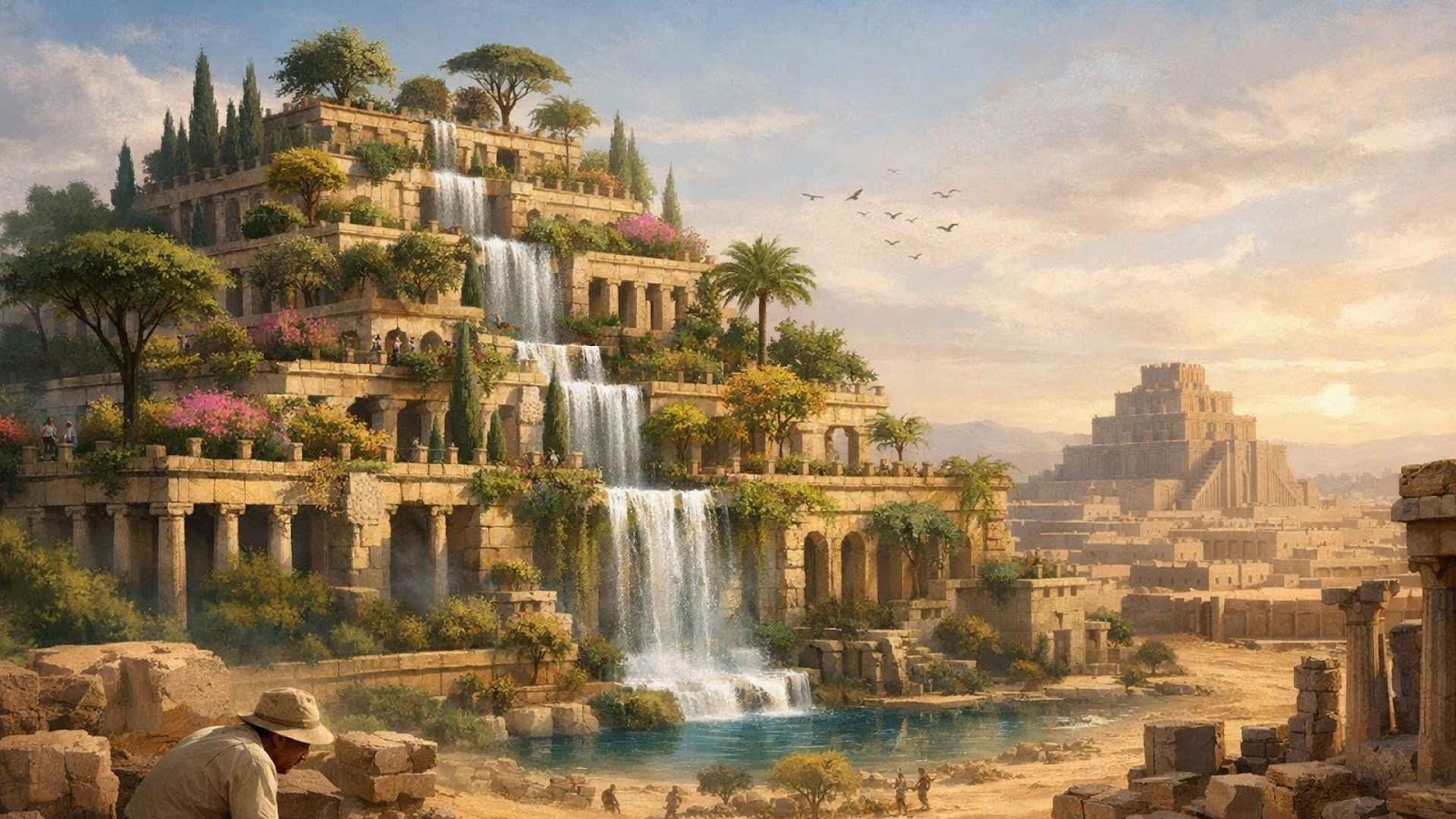
The Hanging Gardens of Babylon will always stay one of the most fascinating mysteries of the ancient world. The ancient authors explained that they were a glance of magnificent terraced gardens with trees, flowers, and plants that sprang over the city on contrived platforms. These sources argue that advanced irrigation systems brought water to the rivers around them, and thus this led to the blossoming of a natural landscape in the very center of Babylon. It is an urban garden in the desert that has captured people's imagination for centuries.
Modern archaeology, however, has found no definitive proof that the Hanging Gardens existed in Babylon itself. According to some scholars, the stories might have originated in gardens created in other ancient cities and were subsequently assigned to Babylon as a result of oral tradition and historical storytelling. The Hanging Gardens represent the magnificence of Babylon and the human urge to unite nature, architecture, and innovation in wonderful ways that amaze and still inspire awe and wonder.
Conclusion
Babylon is where history, legend, and human ingenuity converge, reflecting centuries of culture, learning, and architectural brilliance. The history of Babylon showcases the city’s enduring influence on science, literature, and art. From Hammurabi’s laws to Nebuchadnezzar’s grand constructions, Babylon laid the foundations for civilization. Travelers eager to experience Babylon’s ruins, gates, and ancient stories can plan their travel to Iraq with Zaair, which provides hassle-free flight bookings, visas, and accommodations. Step into the heart of Mesopotamia and witness a civilization whose legacy continues to inspire awe across the world.
FAQs
What is Babylon known for in history?
Babylon is famous for its impressive architecture, monumental walls, and gardens, as well as contributions to law, mathematics, and literature. It symbolizes human creativity and ambition in the ancient world.
Who were Babylon’s most influential rulers?
Hammurabi, known for his code of laws, and Nebuchadnezzar II, famed for grand constructions, shaped Babylon’s political, cultural, and architectural legacy.
What role did Babylon play in science and learning?
Babylon was a center of scholarship, advancing mathematics, astronomy, and literature, laying foundations that influenced later civilizations.
Were the Hanging Gardens of Babylon real or a myth?
Their existence is uncertain; while ancient accounts describe them vividly, modern archaeology has found no definitive proof that they existed in Babylon.
How did Babylon influence later cultures?
Babylonian innovations in law, art, astronomy, and storytelling were adopted and adapted by successive civilizations, leaving a lasting cultural impact.
Where was Babylon located?
Babylon was situated between the Tigris and Euphrates rivers in modern-day Iraq, strategically positioned for trade, agriculture, and political power.