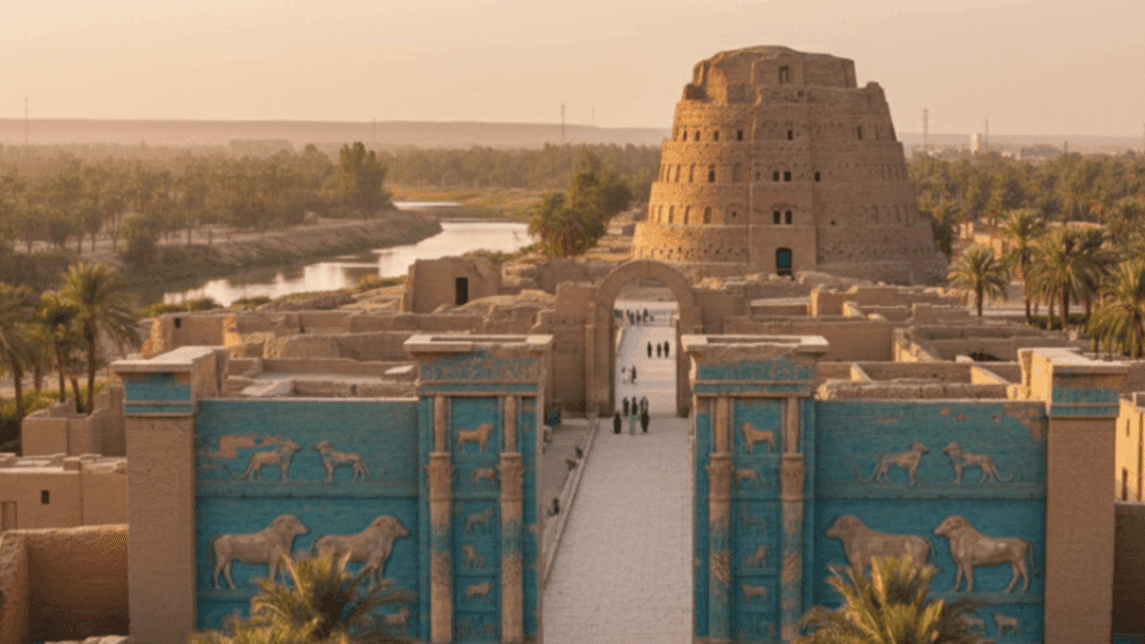
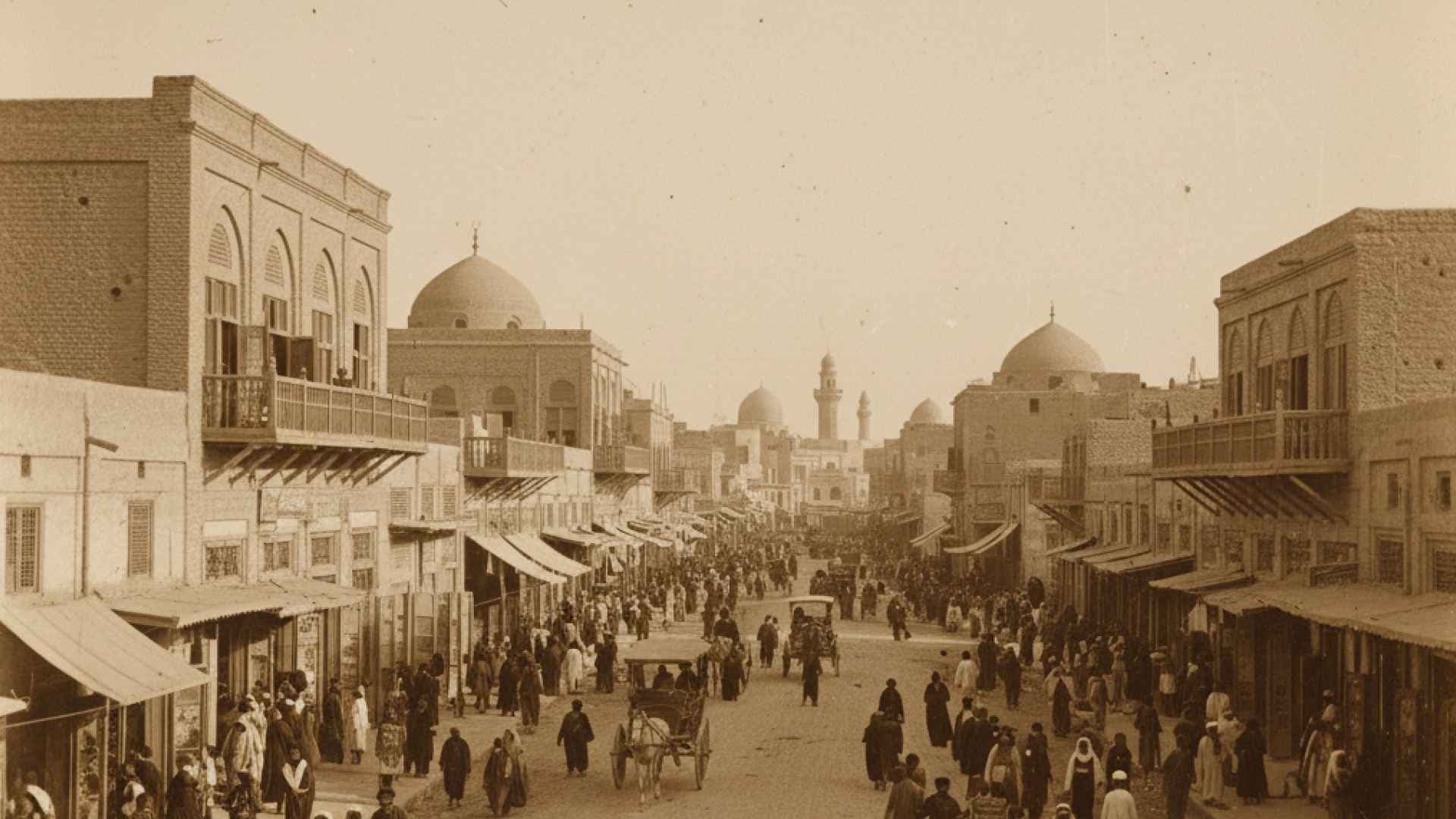

After years of conflict, Iraq continues to rebuild cities that were heavily damaged and communities that were deeply affected. Roads, schools, hospitals, and essential utilities require restoration, while millions of displaced citizens seek stability and opportunity. Reconstruction today goes further than repairing infrastructure. It also prioritizes economic recovery, institutional improvement, and social unity. The main factor of this process is urban development that is oriented to contemporary planning, stable provision of the population, housing expansion, and ecological development. Iraq is determined to build robust cities through government leadership, local involvement, and the international community to provide safety, jobs and a strong foundation to the future generation.
How Iraq Is Rebuilding Its Cities After Years of Conflict
The violence lasted long in cities like Mosul, Baghdad, Basra, and Fallujah where extensive destruction occurred. Bridges and markets, residential neighborhoods and public buildings were harshly damaged and destroyed. During the early reconstruction, more importance was placed on clearing the debris and rebuilding basic security to allow the displaced families to safely come back. As stability gradually improved, rebuilding efforts expanded to include housing rehabilitation, road reconstruction, and the reopening of schools, hospitals, and local government offices.
Urban planning strategies are now becoming more structured and future-focused. Authorities are introducing organized housing programs, upgrading transport networks, and strengthening land management policies to reduce unplanned expansion and informal settlements. The importance of reliable water and electricity systems, as well as sustainable infrastructure, is also given more attention. Planners have also been investing in the social aspects like parks and community centers to promote social interaction and enhance the general life in the cities.
Supporting Local Markets and Expanding Commercial Growth
The rebuilding of the economy is a major focus of the Iraq reconstruction. Restoration of the local markets provides employment, sustains families, and reduces reliance on oil income. The economy needs to be diversified and stable by having a stronger private sector.
Small Business Support
Microfinance programs and small loans are helping entrepreneurs reopen shops, workshops, and service businesses, restoring activity at the community level.
Market Infrastructure Improvement
The existence of better roads, constant electricity, and better sanitation systems enables the operation of local markets and contributes to daily trade.
Investment Promotion
The government is encouraging private sector participation in agriculture, construction, and manufacturing to expand economic opportunities.
Youth Employment Initiatives
The training programs prepare the young people with useful skills in the rebuilding projects and the developing industries.
Rebuilding Public Infrastructure and Enhancing Government Services
Public infrastructure is the backbone of Iraq’s recovery. Several years of war had a devastating effect on power plants, bridges, water networks, schools, and state buildings. The restoration of these systems is vital to enhancing everyday life, building up public trust, and aiding long-term stability.
- Upgrading power generation facilities and modernizing transmission networks to ensure reliable electricity for homes, schools, hospitals, and businesses.
- Rebuilding water treatment facilities and sanitation infrastructure, especially in southern areas, to minimize water pollution and enhance human health.
- Rebuilding hospitals, educating medical personnel, and supplying contemporary equipment to restore healthcare services among the urban and rural residents.
- Rebuilding schools, updating educational programs, and expanding vocational training to help children and youth regain education and acquire employment skills.
- Introducing digital systems for records, licensing, and public administration to improve efficiency, transparency, and trust in government services.
Are Iraq’s Policies Effective for Long-Term Recovery?
Iraq has also implemented national development policies, which are focused on reconstruction, reform, and economic development. These policies are aimed at enhancing governance, corruption minimization and the attraction of internal and external investment. Clearly, visible improvements have occurred in infrastructure and urban development as well as attempts to diversify the economy, yet there are still difficulties in execution and control. The high rate of population growth, government inefficiency, and funding have remained a burden to recovery efforts. Long-term success will depend on consistent enforcement of policies, transparency, and inclusive development that benefits all regions. With steady reforms and stronger institutions, Iraq can achieve a more resilient and prosperous future.
What Measures Are Taken to Protect Cultural Heritage Sites?
Iraq hosts some of the world’s most remarkable ancient civilizations. Many historic sites, including Babylon, Hatra, and Nimrud, were damaged or looted during the years of conflict. Preserving these sites is essential for maintaining national identity and supporting cultural tourism.
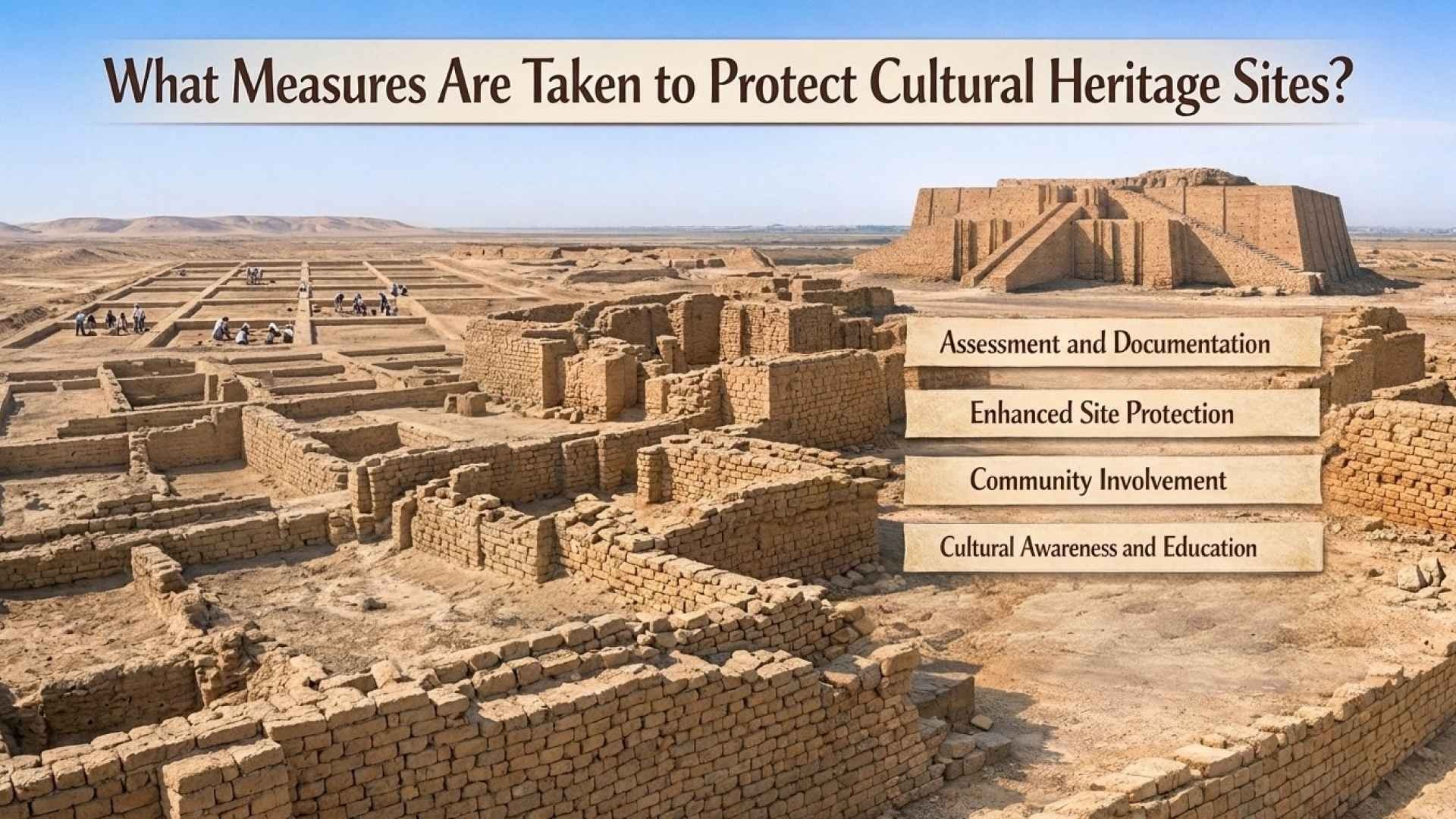
Assessment and Documentation
Experts carefully evaluate and record damage before restoration begins. Original materials and traditional techniques are often used to retain authenticity.
Enhanced Site Protection
Security measures have been improved at archaeological sites and museums to prevent looting and vandalism.
Community Involvement
Local communities participate in preservation efforts, fostering shared responsibility and cultural pride.
Cultural Awareness and Education
Educational programs teach citizens, especially youth, about Iraq’s heritage and the importance of preservation.
These combined efforts preserve Iraq’s historical legacy while encouraging tourism and supporting local communities.
Read our blog: The Mesopotamian Heritage: How Iraq Shaped World Civilization, and see its role in world history.
Conclusion
Iraq’s post-war reconstruction and urban development reflect meaningful progress in rebuilding cities, restoring essential services, strengthening the economy, and preserving its remarkable cultural heritage. Through modern urban planning, improved infrastructure, and support for local businesses, the country is creating safer and more vibrant communities for both residents and visitors. For those who wish to travel to Iraq and explore its historic landmarks and restored cities, Zaair offers complete travel solutions including visa assistance, accommodation, transportation, and guided tours, ensuring a secure, comfortable, and enriching experience.
FAQs
What are the main goals of Iraq’s post-war reconstruction?
Some of the primary objectives involve rebuilding the essential infrastructure, boosting the economy, bettering governance, promoting social stability, and establishing sustainable urban growth for the generations yet to come.
Which cities have been prioritized for rebuilding?
Mosul, Baghdad, Basra, and Fallujah have attracted the greatest interest because of the significant destruction of conflict, displacement of the citizens, and economic strategic significance.
How is Iraq supporting local businesses during reconstruction?
Iraq encourages entrepreneurs by providing microfinance schemes, small loans, enhancing market infrastructure, and promoting investment in the private sector to assist communities in restoring economic activity and generating employment.
What measures are in place to protect Iraq’s cultural heritage?
Some of these measures are detailed analysis and documentation, restoration by use of traditional methods, strengthening of security in such sites, community participation, cultural training and international co-operation with other organizations such as UNESCO.
How is public infrastructure being improved?
The public infrastructure development involves the modernization of electricity systems, the restoration of water and sanitation systems, the reconstruction of hospitals, the reconstruction of schools, the increase of vocational schooling, and the establishment of digital administration.
Can tourists safely visit Iraq’s historical sites?
Yes, it is safe for tourists visit the historic landmarks of Iraq. Other services, such as Zaair offer visa services, accommodation, tours, and travel services, which are convenient and safe and allow you to explore the country.